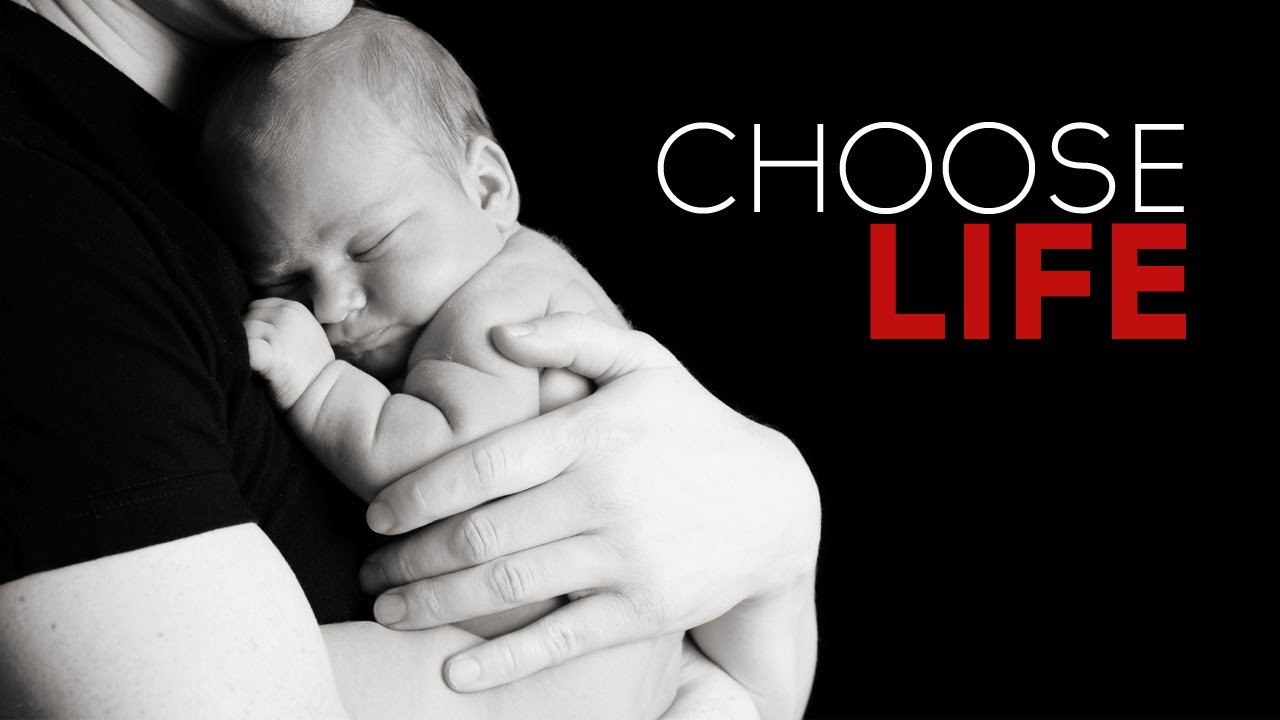
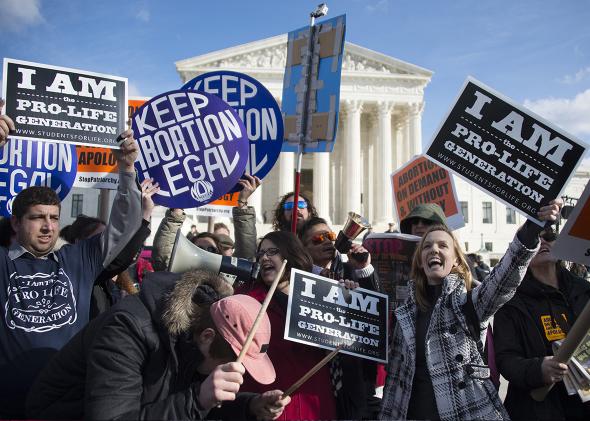
Reviving any creative conversation about abortion has to begin with appreciating the two positions that presently divide the Church. The Pro-Life group champions a concept of eternal law that maintains the sacred nature of all human life. Believing life begins at conception, they insist that the embryo, fetus, and newborn must always be treated as a person, always an end and never a means. Because the innocent fetus cannot speak for itself, one of the most noble Christian callings, if not the noblest, is to speak for it. That means opposing abortion in any form.
Recently, this group refuses to discuss any exceptions, because they open up a slippery slope that soon will lead to accepting all sorts of murder. Their primary argument against their opponents is that the Pro-Choice position demands the breakdown of a fundamental social doctrine that prohibits individuals from making decisions about taking human life. Only the government has the authority to declare war or execute criminals. Allowing an individual woman the right to determine whether an abortion will be performed gives an individual the license to kill.
The Pro-Choice group rejects these claims. They argue government in modern secular democracies is not designed to promote eternal truths. It has no authority to impose a Pro-Life agenda on its citizens, because it has neither the knowhow nor the facilities to justly administer its practice. Under present conditions, the decision about abortion by default becomes one of individual right. When people speak about a woman’s right to control her own body, they are claiming it is only fair that the woman involved practices this right, because she has to endure the consequences of the decision.
This group argues that when the Pro-Life people deny women this right, they also deny them the benefits now available to overcome human suffering. To do this continues, consciously or not, the oppression of women practiced in the patriarchal past.
As I argued in the last lesson, I think both positions fall short, because they have become ideologies in our binary political system. Confining the conversation to either/or decisions omits too many morally relevant considerations. If we are to augment traditional moral insights with opportunities offered in the modern world, we have to take seriously the life of the fetus and the needs of the pregnant woman.
The Pro-Life people certainly speak for Christ when they assert the sacredness of all life. Still they hardly do that principle justice when they confine its public discussion to abortion. The Pro-Choice people certainly are correct when they ask the Church to take advantage of the unprecedented opportunities for alleviating human suffering. Still they are far too quick giving women exclusive and unlimited power to abort some form of human life.
The present problem, however, has far less to do with the issues themselves. Before we can begin to share our insights that might resolve the present stalemate, both sides must be willing to speak with one another. Most people around me are continually expressing their frustration at getting a creative conversation started.