
One of the best talks I ever heard was at Muhlenburg College and was given by an Episcopalian bishop. It was entitled something like, “The Future Health of Our Society Will Be Dependent on Observing the Sabbath.” His point was that the only way to cope with the way our technological society controls us is to take time out to critique conventional thinking and ponder what is really important in life.
So what is the essence of the Sabbath law? Well, that depends on the time period. Over the ages, God’s people have observed the Sabbath in many ways, all relative to the demands of time and place. I still feel some guilt when I shop or go to the movies on Sunday, because I was raised in a time when businesses were closed. Some of my friends were not even allowed to play cards or listen to the radio.
Of course, I do not feel too guilty, as it is obvious some have to work in a science-based, technological society if the rest are to re-create. Someone must run the gas stations and power plants; someone must man the television studios and entertainment centers.
Lest we feel this is a compromise, we should remember our biblical forbearers adjusted down the ages. They first called for stopping all agricultural jobs, then all commercial activity, and finally all that could be considered labor. Jesus refused to practice as the authorities of his time asked, and Christians changed the day from Saturday to Sunday.
Those of us who studied Luther’s Small Catechism remember that he forgot about the day all together and highlighted, instead, the edification aspect of the commandment. “We are to fear and love God, so that we do not neglect his Word and the preaching of it; but regard it as holy and gladly hear and learn it.”
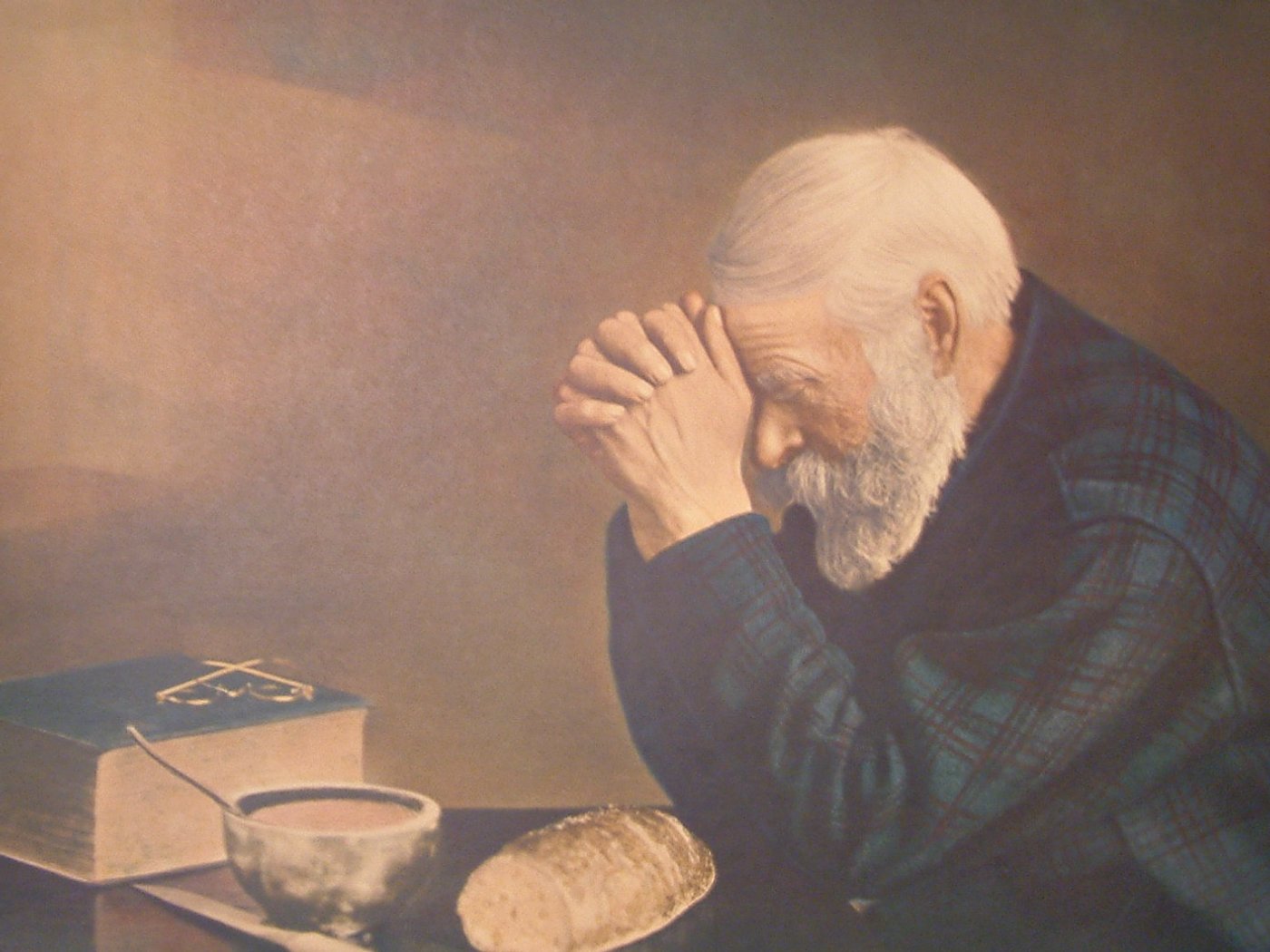
All this leaves us asking what kind of observance is appropriate in our time. I think it would include a healthy rhythm between work and meditation. Some of us still use the every seventh day one when we go to church, hear the Word of God, contemplate the meaning of life, check our priorities, and attempt to adjust our lives to the God’s will. This is basic repentance, re-thinking our lives as we listen to God’s Word.
Sharing the Lord’s Supper teaches us to observe the basic rhythm of eating together during the week. We talk with one another at dinner. We share what is important in our lives: discuss who we are, what we believe, and what we intend to do. We listen to the people across the table, valuing them for who they are, rather than what they do.
In a society that places everything in economic terms, the Sabbath reminds us life is far more than making a living. Pastors often report they have never heard a dying person wish they had spent more time at work. They regret they have not observed the most important things of life, those that the Sabbath proclaims.
Modern cognitive scientists agree this is a very healthy life style as they discover meditation and contemplation overcome stress better than drugs. The classic texts in Exodus 20 and Deuteronomy 5 claim it is so important that we should include our sons and daughters, male and female slaves, foreigners, livestock, and even the land in our observance.
Take some time to consider other healthy ways you can observe the Sabbath in our time and place. Share your ideas in the comments section by clicking on “comments” in the byline text at the top of this post.