
The Bible describes salvation as God’s attempt to save humanity from self-destruction and sees this, in part, as unveiling the truth that humans fail to discern. From beginning to end, two of the primary ways the scriptures explain our failure are that our violence and greed get in the way.
The prophet John attempted to unveil the truth for his own time and place by demonstrating that the economic and political systems of the Roman Empire were satanic. His treatment in Revelation got rather colorful as he compared the empire to a prostitute who sold her soul.
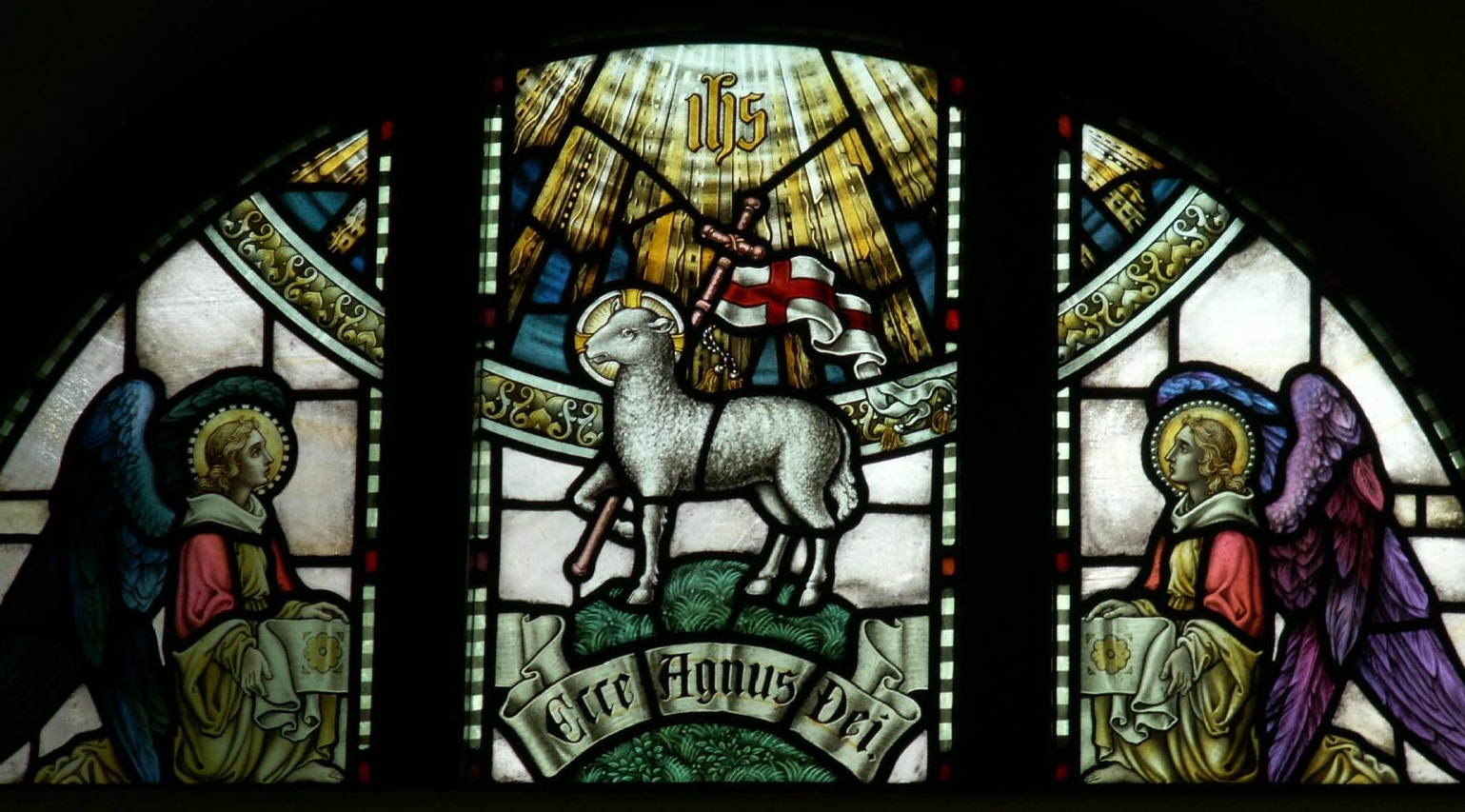
If you read the book intelligently (How’s that for the kind of self-promotion that cuts off discussion?), you see it was an attack on violence and greed. Christ was hailed as the slaughtered Lamb of God and the blood that appeared on him was always his own. Like him, his true followers were to use only non-violence: the Word of God, prayer, and their lives. The violence that pervaded the work was always the result of Rome’s actions. The main thesis of the book was that the other nations of the world would soon turn on Rome and bring her down with the same violence she practiced.
The nations would revolt, because Rome’s power was based on impoverishing the other nations of the world. One of the most telling images, almost always ignored for obvious reasons, was the multitude of ships bringing the wealth and resources from the other nations to the eternal city. In fact, the only ones pictured grieving her fall were the merchants who owned these ships. Listen to one of the most critical passages:
“And the merchants of the earth weep and mourn for her, since no one buys their cargo any more, cargo of gold, silver, jewels and pearls, fine linen, purple, silk and scarlet, all kinds of scented wood, all articles of ivory, all articles of costly wood, bronze, iron, and marble, cinnamon, spice, incense, myrrh, frankincense, wine, olive oil, choice flour and wheat, cattle and sheep, horses and chariots, slaves—and human lives. The fruit for which your soul longed has gone from you, and all your dainties and your splendor are lost to you.” (Revelation 18)
Notice how well written and damning this passage was. Their souls longed for dainties and splendors so much that they sold human lives, not only slaves but their own souls as well. Isn’t it interesting that this biblical passage condemning slavery is never cited? I have always suspected this neglect is based on our refusal to acknowledge the evil of our underlying economic and political systems. We prefer to pretend the passages are about some silly off-in-the-future actions when God gets “them” not “us.”
The corollary of this basic thesis was that, knowing this truth, Christians should get out of Rome. My intention in last week’s lesson was along these lines, not necessarily getting out of the political and economic systems that are leading us to self- destruction, but at least correcting or replacing them. Most of those who responded got this, adding their own illustrations of power and greed trumping truth. Some, however, thought I was rehashing the presidential election, attempting to paint everyone with the same brush. They offered illustrations of people who acted generously and compassionately inside the system.
Of course, there are always good people. The point is the economic and political systems as they exist at the present time are self-destructive. When we act as if innovation and creativity are dependent only on each person selfishly going after the most power and money they can get, we sacrifice not only the souls of the weak who are never able to compete, by our own as well. I maintained the present radical separation of rich and poor is symptomatic of an obscene society, obscene even if the money might be the going rate, obscene whether it is given to an athlete, a hedge fund manager, a CEO, a former president, or anyone else, and that includes me. Gee, I was being nice; the Prophet John says it is satanic.
Again, acknowledging something as obscene or satanic is not name-calling in the sense of blaming another. It is pointing to the self-destructive nature of evil. From a biblical perspective, salvation lies in acknowledging the truth that is unveiled by God. That includes presently in addressing what Gunter Sachs regards as the basic ethical question of the 21st century, “How much is enough?” As we attempt to do this, we do well to remember John was right: Rome is long gone, God’s Word is still with us.