
I had two surprises doing this series. The first was I did not anticipate how comprehensive compassion was going to be.
I started out simply seeking a broader Christian approach than nonviolence for resolving our society’s conflicts. Compassion expressed empathy but also a desire to alleviate the situation. It went so far as being willing to suffer for others if necessary.
The surprise came when I found myself discovering all sorts of new things. I was intrigued that the Old Testament seemed to describe God this way, but not humans. It was almost as if humans were not capable of it. Then the Gospels wrote of Jesus being moved by compassion when he reached out in unexpected directions. And finally, after he shared his Spirit with his followers, they were moved to extend the faith to outsiders.
I also was amazed at how often I began using compassion to understand religious actions. When I tried to write about this, I was drawn into so many ideas I would finally just stop and move on. You can only go so far in short essays.
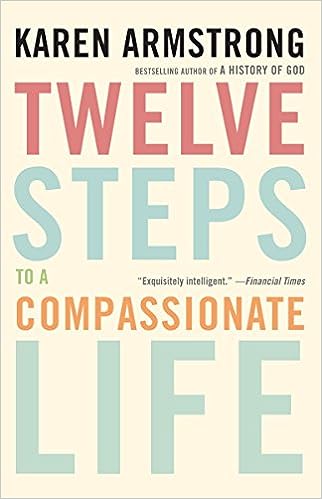
By the time I reread Karen Armstrong, I was ready to agree that compassion is one of Christianity’s primary teachings and at least intrigued at her claim that it plays such a role in the other great world religions as well.
The second surprise came when I posted the essay on the atonement. I was trying to report how considering compassion was helping me explain to myself what happened in Jesus’ healing of humanity’s relationship with God. I expected the readers to express appreciation for my ideas (lol). Instead, I received far fewer responses than usual. In fact, I only heard from two close friends who asked me what I trying to say.
I’m not sure how to take this. One side of me thinks I simply failed to express my thoughts well. Perhaps that was impossible within the limitations of a short essay.
Another side wonders if Christians find the topic so complex they elect to bypass it. We are content to confess Christ died for our sins but are uncomfortable with theologians’ attempts to explore what this means.
For over 2000 tears we have come up with a number of theories but never have found one that completely satisfies us. If you are interested, you can find one decent account of these here.
I am just contending that pondering God’s compassion, his willingness to suffer for us, might offer a start for coming up with a theory that works in our time. Chances are it would be controversial as modern society doesn’t see voluntarily suffering for others to be a healthy thing.
Perhaps that is a good place to end this series. I’d be happy if I inspired just a few to think more deeply about the compassion of God.