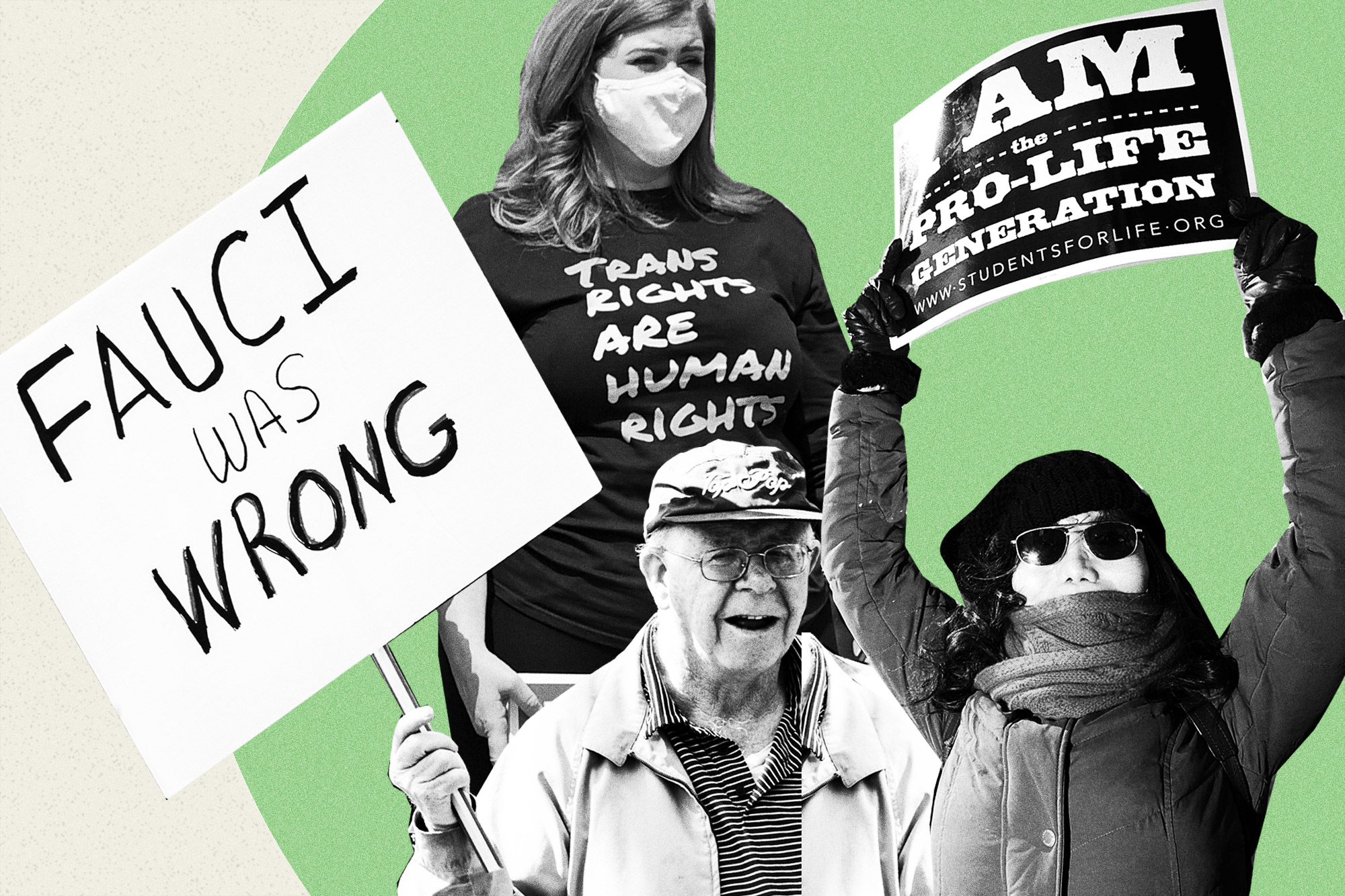

I decided to start this series when I found myself growing extremely uneasy with Christians using militant language. I was increasingly hearing religious spokespeople speak of Jesus as a warrior fighting for us in a cosmic war between good and evil. This extended to many of them picturing the Christian life as primarily battling adversaries such as those favoring abortion or same-sex marriage. I grew even more uncomfortable when these people told me to vote for Donald Trump, because he was fighting for me. But I really became distressed when I realized these Christians placed me with the enemy that Jesus is attacking. And I was even more disturbed when they inevitably ended their speech with insipid platitudes assuring me that God still loved me and so did they.
My discomfort stemmed first from having no idea how a cosmic war makes any sense in the 21st century but even more from thinking this violent language has nothing to do with how I understand Christianity.
The Gospel is totally about unconditional. The Bible reports Jesus refuses to use violence and explicitly tells Pilate he represents a different kind of truth. It pictures Jesus as a warrior only in Revelation 19 and there, the image is ironic. John repeatedly tells us the King of kings and Lord of lords on the white horse is the Word of God. His only weapon is a sword from his mouth that obviously means his tongue and the blood on his cloak is his own. Ever since the critical scene in Revelation 5, the victorious Lion of Judah is pictured as a slaughtered lamb. Or better yet, ever since Easter sacrificial love triumphs over military power.
The early church certainly understood Christian love as this kind of compassionate pacifism. A number of churches in Rome are dedicated to early saints who were soldiers martyred for refusing to shed blood after their baptisms. To follow Jesus was to live by a different kind of power.
This message is tremendously relevant in our time. We have experienced the self-destructive force of violence in the past century. We know the tremendous power available in our technological society. It would seem that the compassionate pacifism of the love commandment would be vigorously presented as a way to achieve a healthy, sustainable community. You would expect Christians to be busy discussing the potential and limitations of sacrificial love that returns good for evil.
Instead, our present-day warriors for Christ use violent language to call for engaging in some fantasy-driven, cosmic war between good and evil. They seem to assume we must suppress or silence any opposition because it is either us or them. The goal is not transformation leading to community but warfare that demands unconditional surrender or annihilation.
As challenging as this is, Christians should be speaking about the power of love, not the love of power. The salvation of the world depends on the lovers, not the warriors of this world. Power must be understood in the context of love, not vice versa. Otherwise, the last is first and the first last.