If you read much about thanksgiving, you constantly come across statements, such as “Ninety-nine percent of the time, we have an opportunity to be grateful for something. We just don’t notice it. We go through our days in a daze… The gifts or blessings of life are always there but if we are not aware of them, they don’t do much for us.” (Brother David Steindl-Rast) Or, “We fail to see, as we would if we were really observant, that the things we have – especially the important things – are indeed gifts that we have received from the earth, from each other, and, when all is said and done, from God.” (Sister Mary José Hobday)
Many of us agree that we are missing what is important in life; sometimes because we are too busy, sometimes because we are distracted by the virtual reality of our electronic world. More and more are turning to the mindfulness of Buddhism or the awareness of the Sabbath as we seek a healthy spiritual life. Those who are able to do this report they find giving thanks for what they have becomes essential.
Thanksgiving is healthy, because it reads reality accurately. Although we claim we are isolated individuals whose prosperity necessitates more and more freedom to do as we please, we are really radically dependent on others. Martin Luther King liked to observe we can not get through breakfast without help from people in every corner of the world. We have already used clothing, food, and machines made or grown far away. Gratitude recognizes how much we are dependent every moment of our lives on community, even the global community.
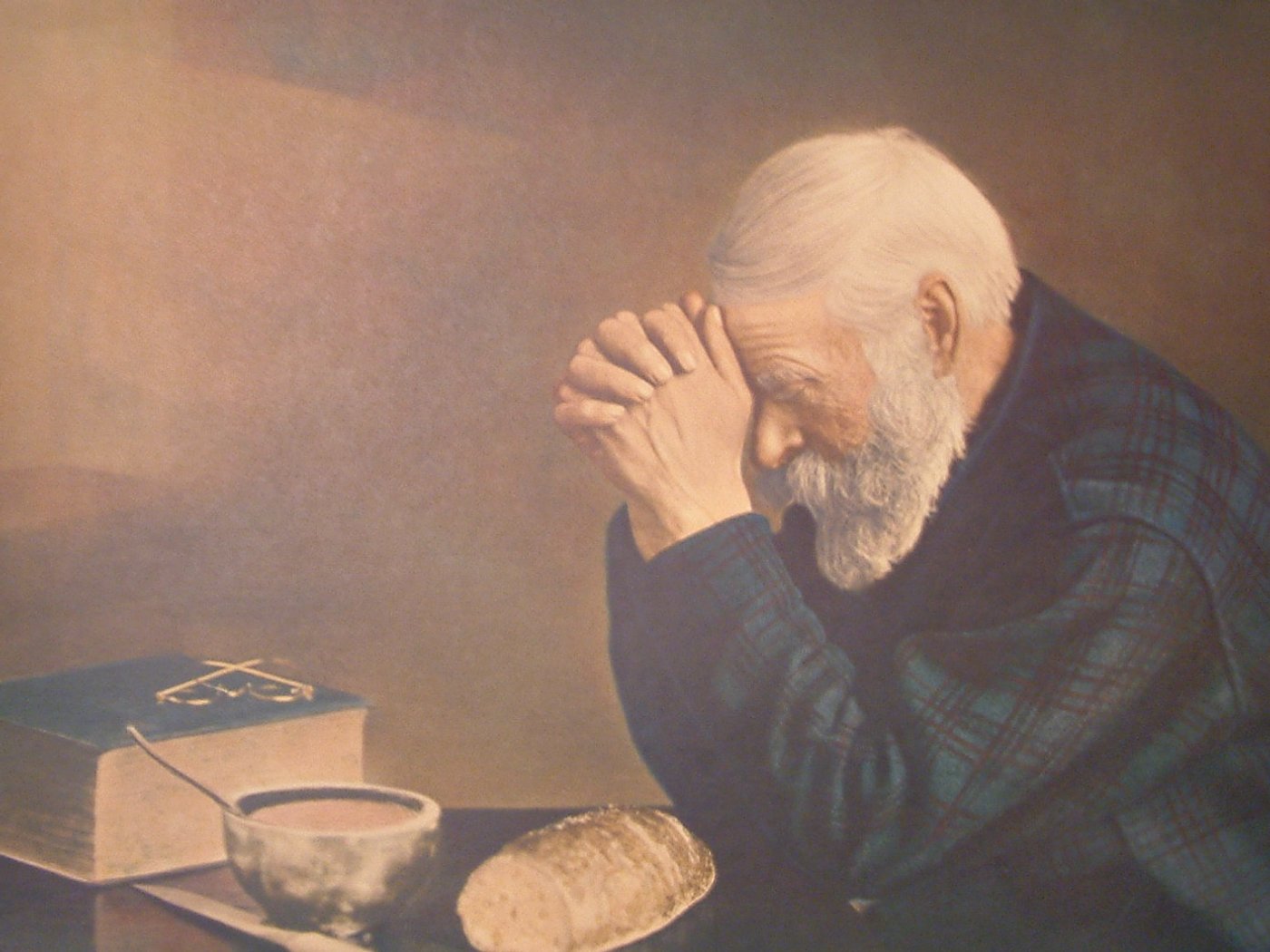
Christians have always recognized the centrality of thanksgiving. Paul wrote our life should, “be singing and making melody to the Lord in your hearts, giving thanks to God the Father at all times and for everything in the name of our Lord Jesus Christ.” (Ephesians 5: 15- 20) An essential part of our worship is thanksgiving. In fact, Communion’s Greek name is “Eucharist” which means “Thanksgiving”.
And, of course, Luther’s understanding of justification is based on recognizing all life is a gift from God. We receive far more than we can ever pay back. That includes our salvation that is based on what Christ has done for us while we were helpless. Luther observed our proper response is to thank God and serve other people.
Obviously, one of the secrets of life is to find the sabbaths that will enable us to stop and appreciate the gifts of life. Some Christians do this by using a thanksgiving prayer before bed. They take time to review each day, considering for what they should be grateful and asking if they have sufficiently expressed their thanks. Often that includes taking time in the future to express their appreciation to those who have made their day.
You might do something like that by using the comments to note things for which you think we should be thankful and/or ways we could express this.