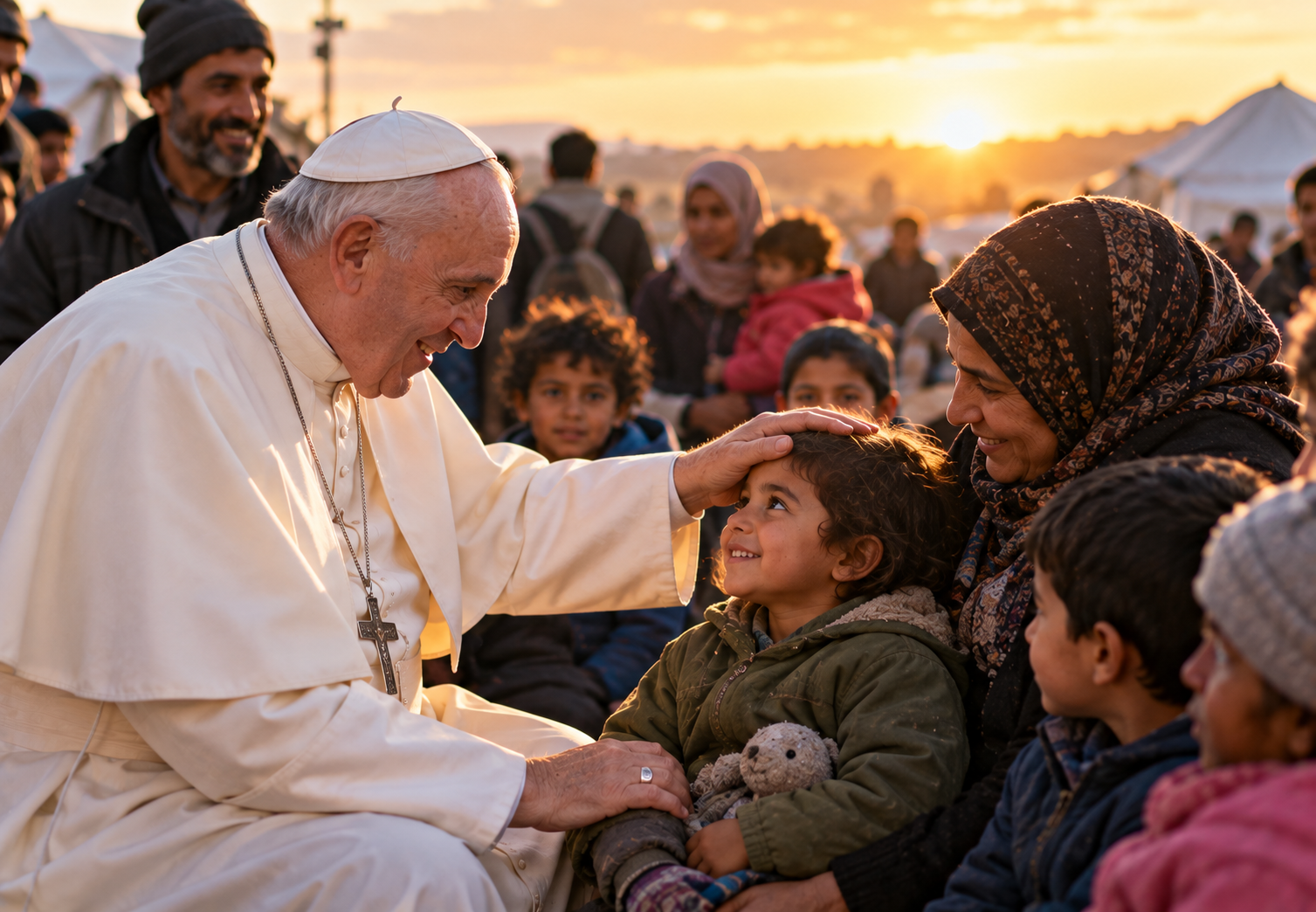
Most people see Pope Francis as humble, someone who chose not to live an imperial lifestyle. Those who follow more closely know he was less authoritarian than many of his predecessors about church doctrine. He recognized that the Gospel can take different forms in different cultures. Few notice that he also called for radical political change.
Listen to what he wrote in Fratelli tutti (2020): “The development of a global community of fraternity based on the practice of social friendship on the part of peoples and nations calls for a better kind of politics, one truly at the service of the common good. Sadly, politics today often takes forms that hinder progress towards a different world.”
He often used the term “social love” rather than “social friendship.” He defined it as: “Social love is a force capable of inspiring new ways of approaching the problems of today’s world, of profoundly renewing structures, social organizations and legal systems from within.”
Although all the popes spoke of love operating at every level of society, Francis expressed this with a more fervent compassion than most. In Dilexit nos (2024), he described modern society as a heartless, throwaway culture that discards people the powerful regard as useless or burdensome.
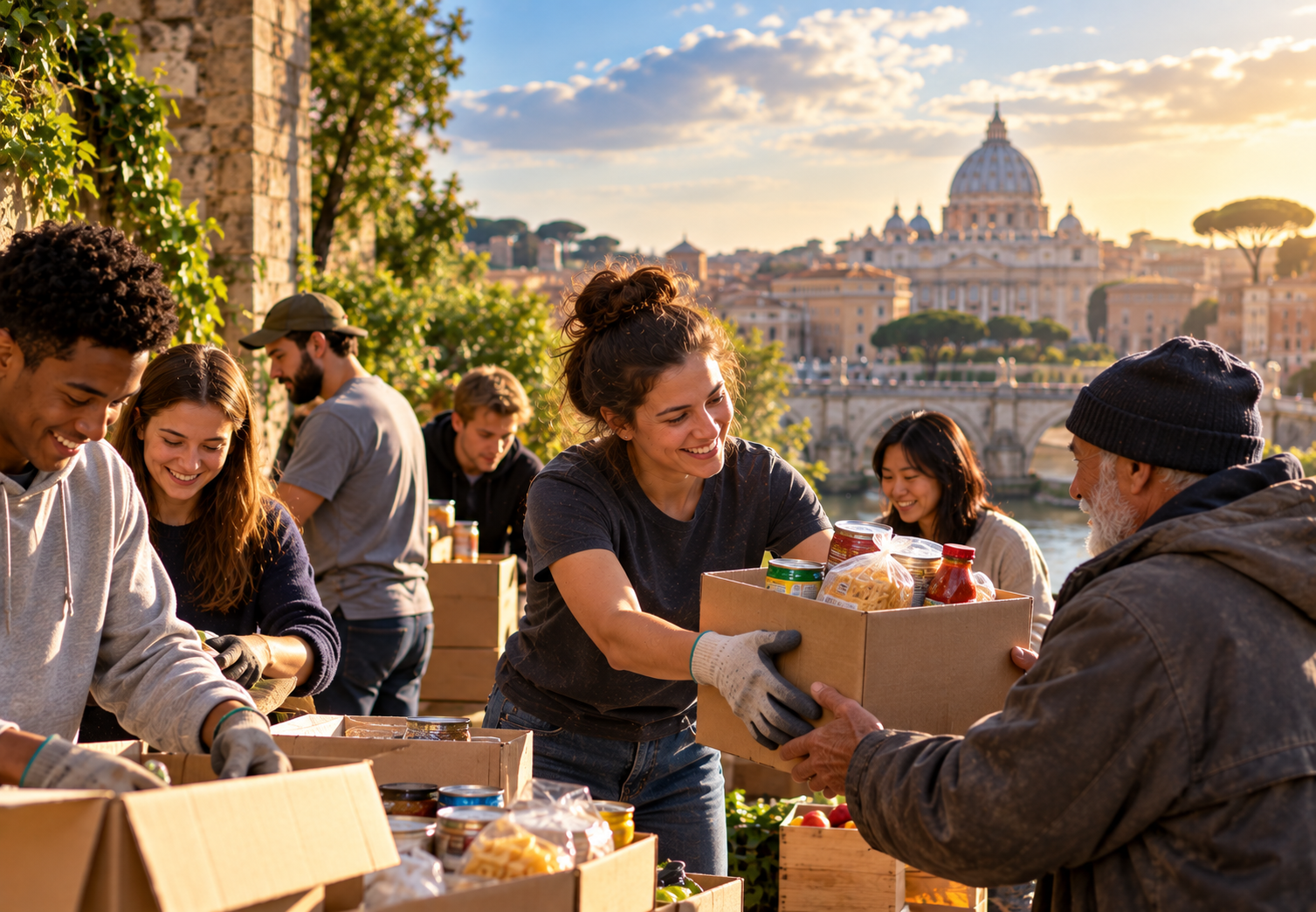
Social love brings change by inspiring the heart to seek the good of all people. That means our first concern must be caring for the vulnerable and marginalized. The immigrant is a prime example. Pope Francis has spoken so often, and so powerfully, about this that, in many quarters, Christianity is now identified with welcoming and caring for the needy.
Pope Francis also called for far-reaching, fresh approaches to national and international affairs. On the national level, he adamantly opposed using warfare and violence to settle disputes. Social love calls for open encounters, dialogue, and even forgiveness.
He was even more challenging on the international level, arguing that great power politics requires new organizations to prevent abuse. He referred to modern technologies such as artificial intelligence, but he focused even more on the conduct of powerful nations and individuals. Today, international safeguards are inadequate to protect weaker countries from exploitation by stronger ones. Similarly, few effective controls limit individuals who possess more personal wealth than many nations.
When you read the encyclicals, it almost seems that Pope Francis was speaking directly to the citizens of the United States. You find yourself thinking about Donald Trump, Elon Musk, and others advocating “America First” and “Might makes right.” However, his message applies broadly, as almost three-quarters of the world’s population now lives under autocratic rule.
Pope Francis argued that we must regulate unchecked power in new ways if we are going to end the suffering afflicting so many around the world. He warned that unless we develop effective international controls, many more people will suffer.