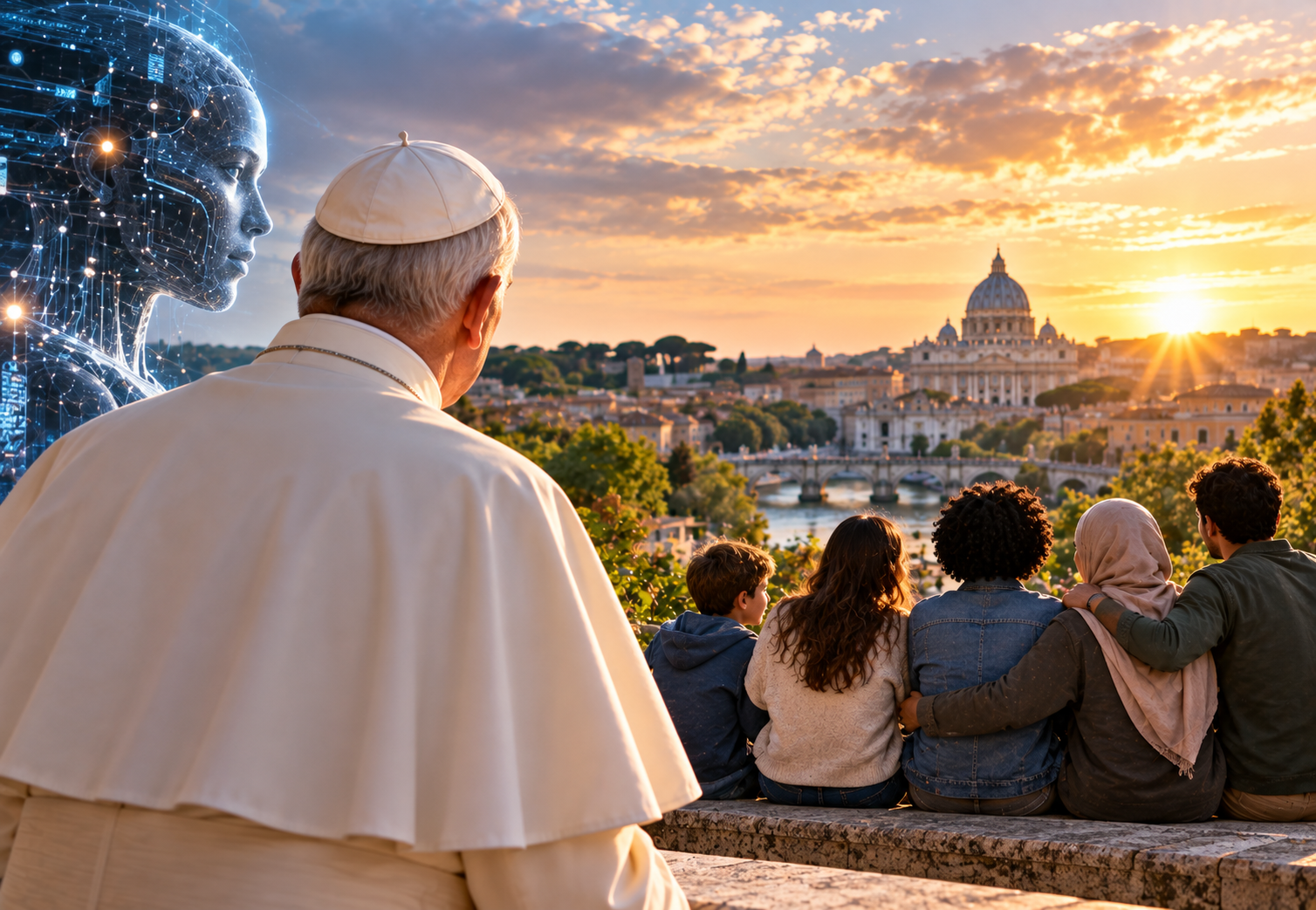
Pope Leo subtitled his encyclical Magnifica Humanitas, Safeguarding Humanity in a Time of Artificial Intelligence. His examination of how we might do this centers on whether we will use this new technology to build a civilization of love or a culture of power.
The Pope believes we are fast slipping into a violent culture of power in which a few control the lives of the many and that much of this is due to modern technology. “Technology, detached from ethics and responsibility, will render decisions about life and death more rapid and impersonal, and will present the use of force as an immediate and viable option.”
War is his prime example. He writes, “In an increasingly interdependent world, peace is not simply one issue among others, but a prerequisite for the universal common good and a test of the moral maturity of peoples. Where peace no longer appears as a responsibility to be taken on, but as a fragile interval between conflicts, the enemy is reduced to a statistic and the victim to collateral damage.”
We clearly see that in our war with Iran when economic affordability takes precedence over human lives. It is also evident in Ukraine when one man, perhaps a civilian at that, has the power to shut off the link to a satellite used for protecting people from incoming rockets.
The Pope believes a civilization of love builds hope in this situation by envisioning “a social order in which justice and charity are intertwined, and love becomes the guiding principle of economic, political and cultural life.”
He writes, “The civilization of love is no naïve utopia, but a demanding project, which consists in translating charity into structures of justice, giving institutional form to fraternity and regarding others — whether individuals or peoples — as allies necessary for building the common good.”
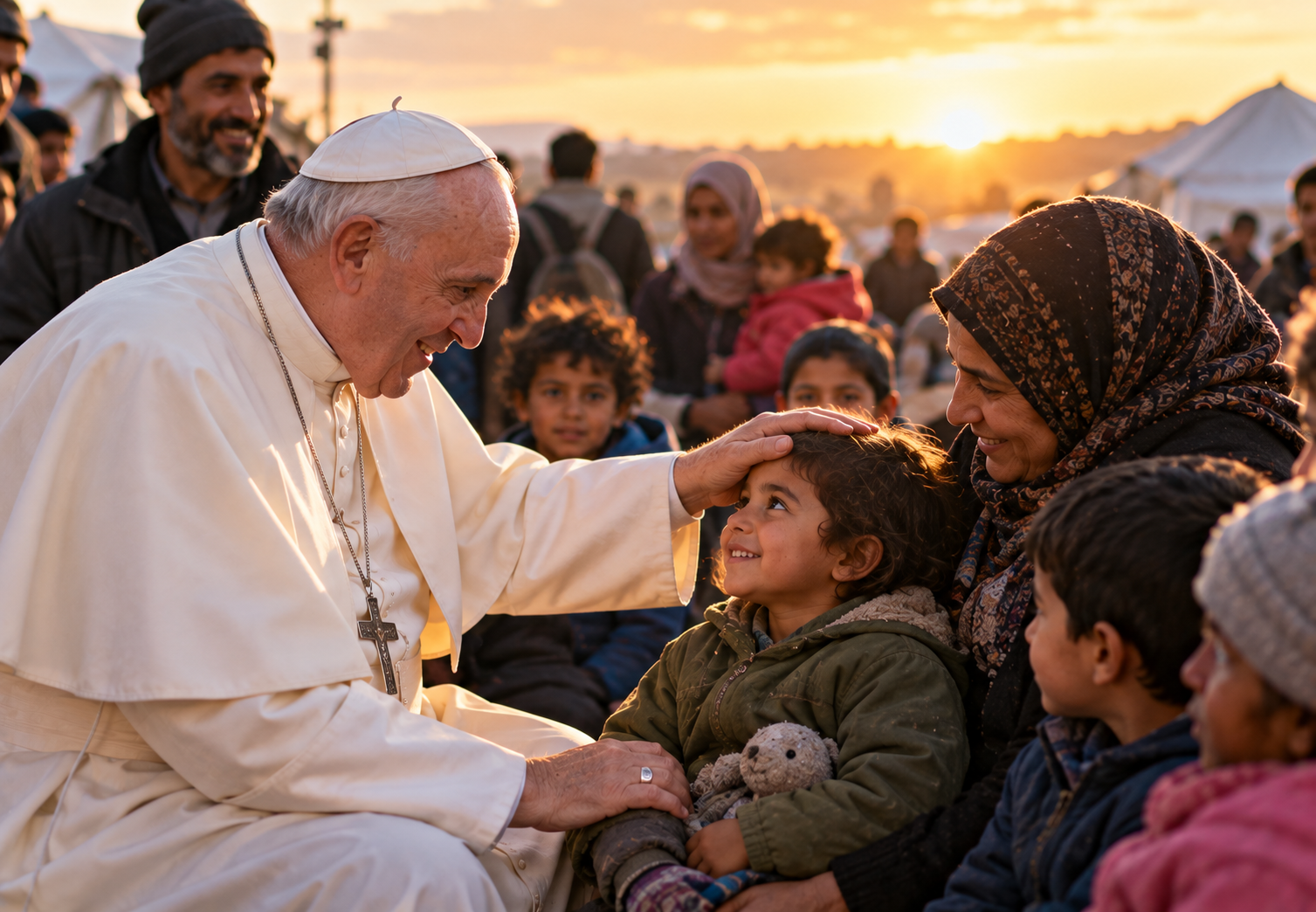
Like the previous popes, Leo says we must begin with small everyday actions. He mentions promoting times and places where we gather physically, such as shared meals, refraining from using violent language, and considering the perspective of those who suffer rather than the powerful.
The guidelines are certainly good and worth following in our present situation. However, the real question is what kind of institutional reforms a civilization of love brings to global society, and how we inspire people to accept them.