Lesson 3: Christian Political Principles

A traditional Lutheran response might think my contrast between Jesus’ teachings and the way Donald Trump presents himself at his rallies and on social media is unfair. It would see comparing religious and political programs somewhat like comparing apples and oranges. The Church proclaims the Gospel, and the government provides order.

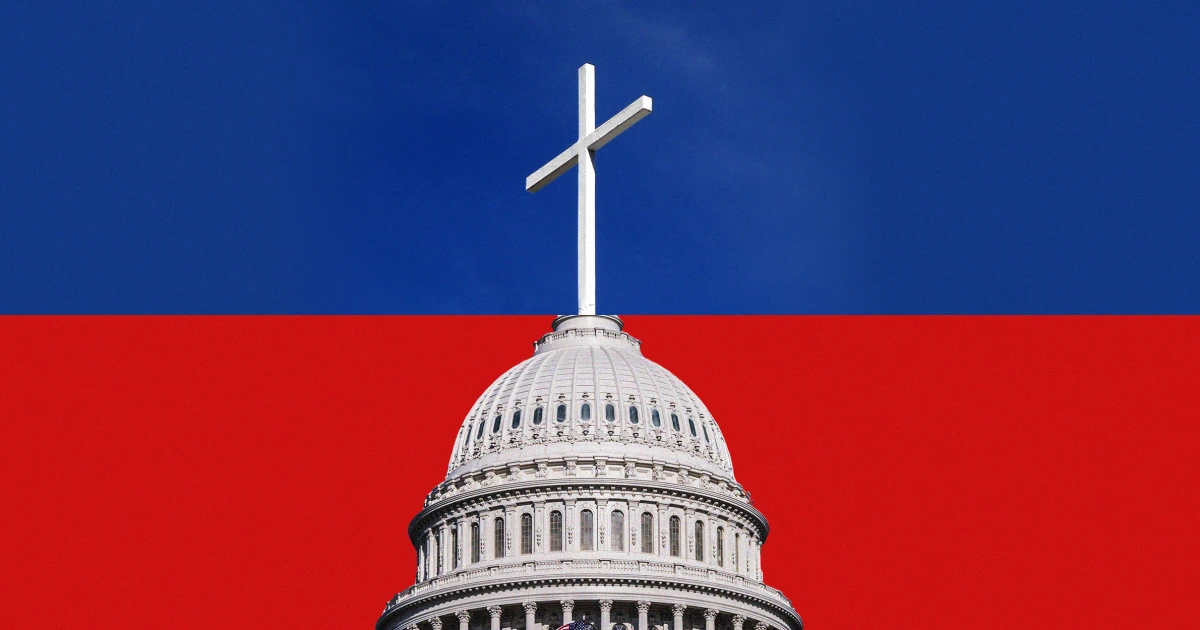
Jesus’ teachings were not political, but nevertheless, they provided standards for the church’s expectations of government. This is especially important in our modern democratic society, where politics permeates almost everything.

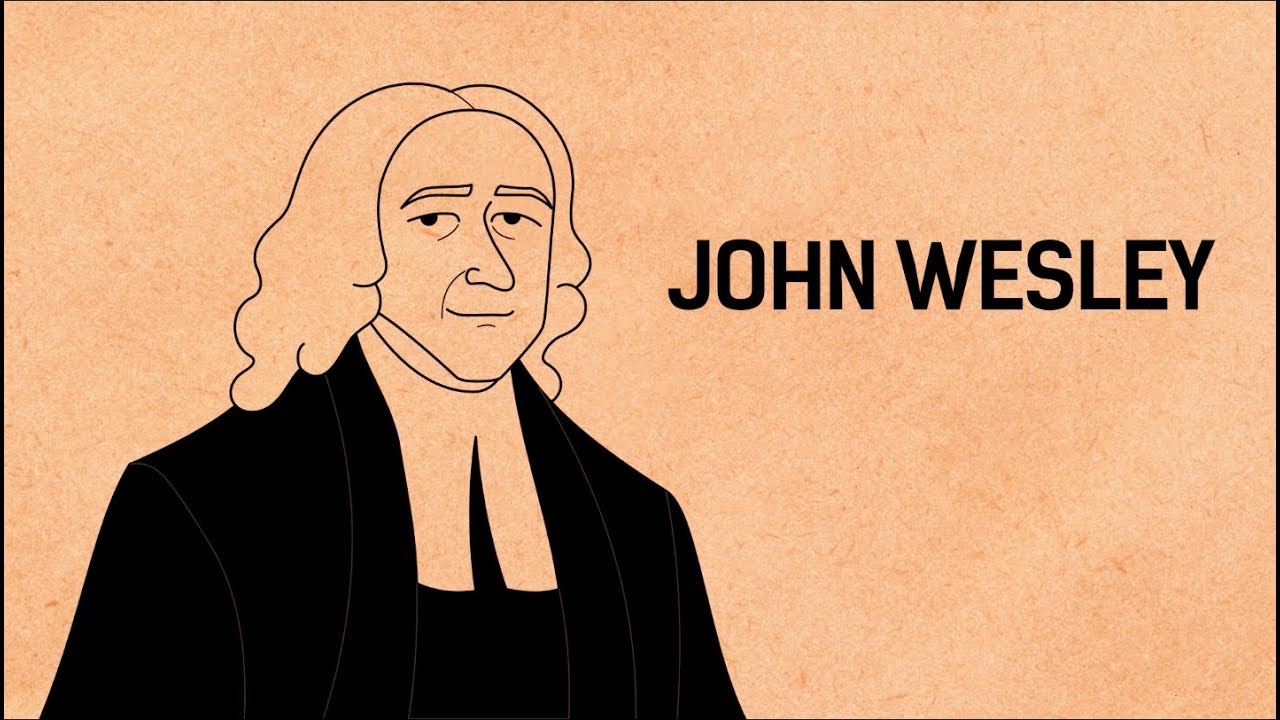
I was preparing to present some of these expectations when Paul Wildman posted “John Wesley’s Manifesto.” It is a list of political principles displayed at a Methodist chapel in Bristol, England, that the historian Gary Best derived from Wesley’s 18th-century writings. I decided there was no way I could do as well. So here they are:

• Reduce the gap between rich and poor
• Seek to ensure full employment
• Introduce measures to help the poorest, including a living wage
• Offer the best possible education
• Empower individuals to feel they can make a difference
• Promote tolérance
• Promote equal treatment for women
• Create a society based on values and not on profits and consumerism
• End all forms of enslavement
• Avoid engaging in wars
• Avoid narrow self-interest and promote a world-view
• Care for the animals with whom we share our planet

Remember these are principles, not programs. We can have different opinions about how they might be implemented. My problem with the present campaign is how many who claim to be Christian reject these kinds of principles and support programs directly opposed to them.


2 responses to “Lesson 3: Christian Political Principles”

  1. paul wildman

    Hear Hear Fritz i am muchly pleased my email was valuable in this regard. cheers ciao paul

  2. Anne Crawford

    I agree wholeheartedly with these principles but feel quite discouraged that both individuals and political parties don’t seem to embrace or embody these principles to any large degree. I have become cynical that any current political organization can see beyond its own need to “win” to truly embrace such principles. Thinking well beyond Presidential candidates, I look to our congress and how divided they are and how each member spins their views to demonize the other and make it look like they are the ones promoting and protecting the ‘values’ of “the people.” I guess I’m just in a less than hopeful mood this morning. No one wants to help others if it means it will cost them anything.

Leave a Reply

Your email address will not be published. Required fields are marked *

This site uses Akismet to reduce spam. Learn how your comment data is processed.

  1. So forgiveness pre-requires understanding the mistakes of the past? here hear re this opposing this me-first, America-first, white-first, male-first approach>…

Lesson 1: Jesus’ Teachings in the Election Campaign

Many of us have become very upset watching politicians weaponize Christianity as the political debate has become a political war. People claim their party speaks for Christ. Some churches even consecrate a candidate supposedly chosen by God to save our nation. We find ourselves in a situation where the way you vote determines whether you […]

Read More

Lesson 4: Christians Gave Us Trump

Like so many others, I have been concerned with the lying in the election campaign, but perhaps even more so with the terrible exaggeration used to justify the lies. Claiming this is the most important election in American history—or even world history—is incredibly self-centered and far from reality. Claiming one administration is good and that […]

Read More

Lesson 14: The Christian Concept of Government

There is no such thing as a Christian concept of government if you’re referring to a political system. In both the Bible and church history, you can find everything from theocracy to foreign empire. In the former, God rules without any sitting government. Leaders are called forth when conflicts arise, whether external as war or […]

Read More

By continuing to use the site, you agree to the use of cookies. more information

The cookie settings on this website are set to "allow cookies" to give you the best browsing experience possible. If you continue to use this website without changing your cookie settings or you click "Accept" below then you are consenting to this.

Close