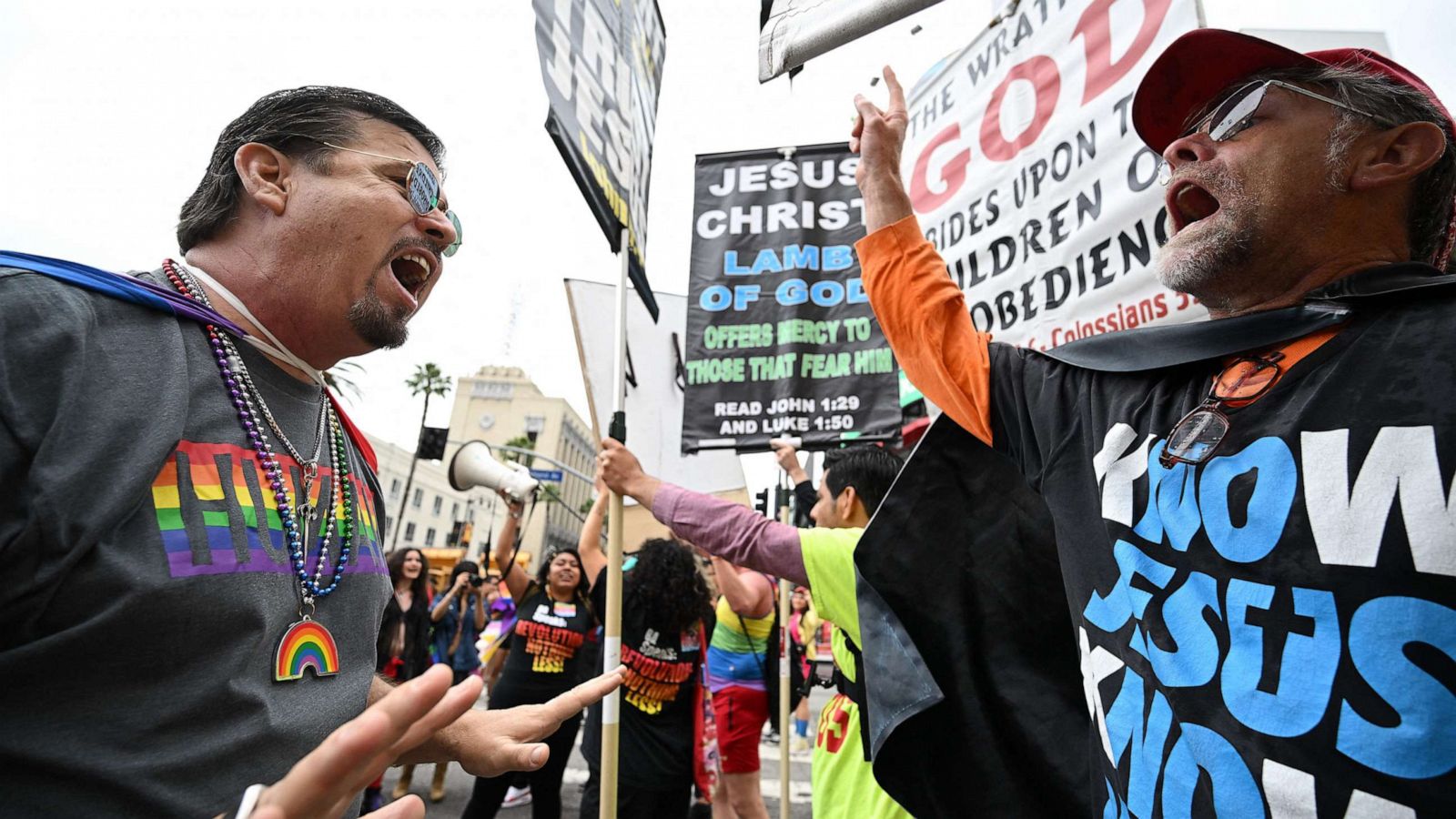
The cultural battles in school board meetings across the nation reflect the tension between culture and technology we have been examining. Communities have always used their educational systems to teach their cultural values. The fights occur because we have significant disagreements about what these should be.
Much of the problem stems from technology creating a global society transcending the national state and the lines of established civilizations. As corporations, media, transportation, tourism, the lifestyle of the wealthy, and all the rest of us participate in this new globalism to some degree, old parochial beliefs are challenged.
This forces us to confront two essential matters.
The first is the disorientation that has resulted from the loss of common sense and, with it, an inability to share a common good. Civics classes are being dropped in high schools, and Western civilization courses are being eliminated from college curriculums. First-year students in our universities are increasingly allowed to select all their courses independently. Groups such as Christian nationalists fight for power to determine curriculum and select library books.
Some see artificial intelligence as the only hope of overcoming the dominance of special groups. Without it, education would be reduced to providing information and vocational training. Mechanical algorithms would be a teacher’s best friend unless they replaced her.
Others see schools as providing judgment as well as information. We would work for education, providing the wisdom to evaluate data. That would mean developing a democratic situation able to manage the multiculturalism of our time.
The second important matter is bringing changes to the university system. Almost every scholar I read who examined technology challenges ended up calling for a radical reformation of the university. They usually observed that the academic departments separated life into domains that we never encounter in everyday life. There, everything is related to everything else.
You see this already happening with the creation of hybrid disciplines such as biochemistry or social psychology and other interdisciplinary programs such as American studies, bioethics, urban studies, and criminology.
I am not sure exactly how we are going to do this, but we certainly have to work hard together to overcome societal battles in our schools.