
After much discussion, I have decided to give in and admit talking about the common story of Christianity is not helpful. As many of you have pointed out, there are just too many incredibly divergent claims out there. Instead, I shall speak about the book’s understanding of what the Christian voice should be in the public conversation.
Our book describes that voice as the Gospel that proclaims God is acting in love to save the world from self-destruction. It supports this claim by examining the two foundational biblical stories on which this Gospel is based. In each, God hears the cries of suffering people and comes to save them.
The first story is the Exodus where Hebrew slaves are being exploited, abused, and even threatened with genocide by the powerful Egyptian nation. After God rescues them, he establishes a covenant that promises to give them the resources they need to maintain a creative relationship with God and each other. These include a healthy land, moral guidelines, proper worship practices, and prophets who can speak for God about issues in the current situation.
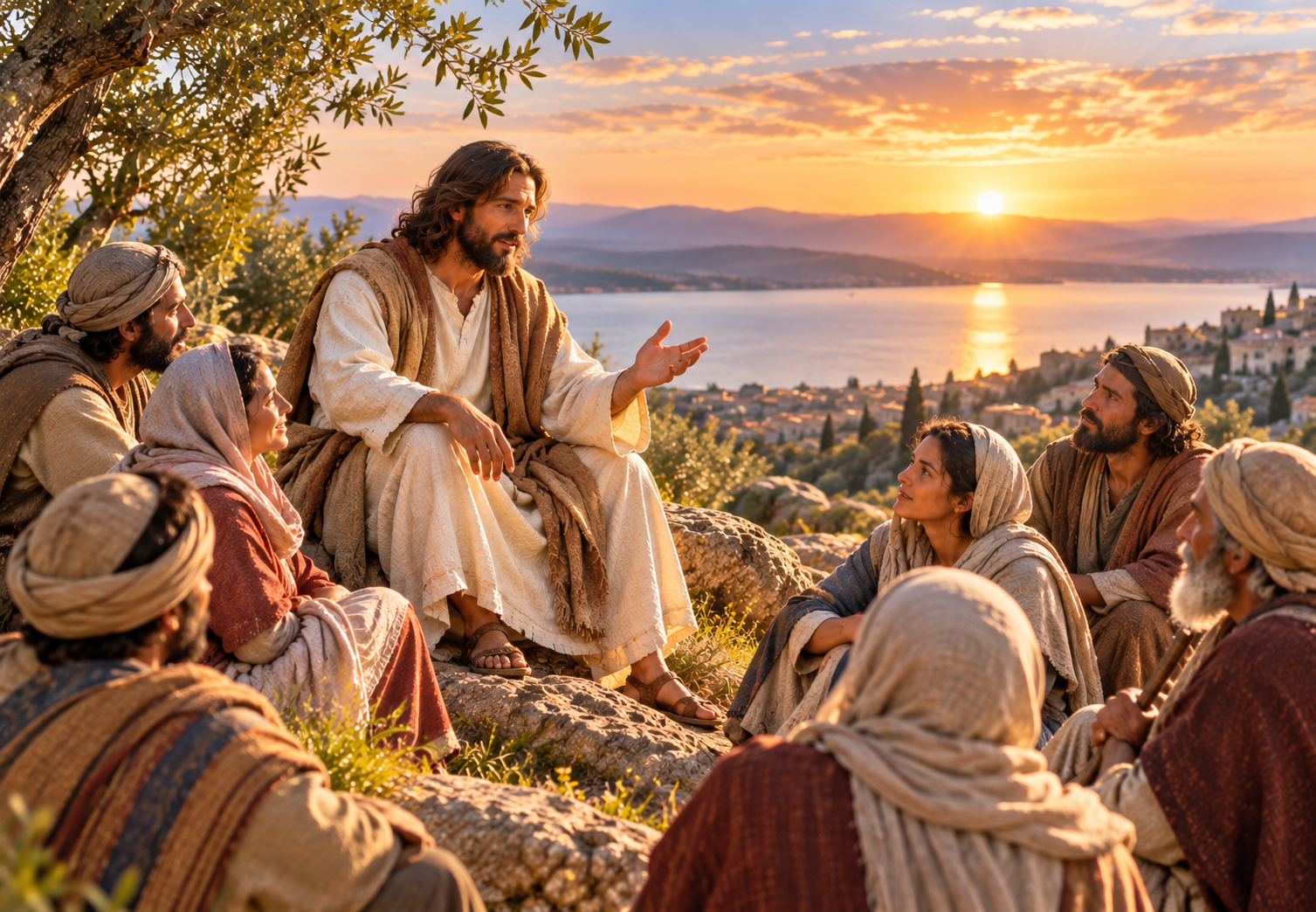
The second is Jesus’ life and death. He is portrayed as one of those prophets who speaks for God and also goes about healing those broken in this world. He is known as the friend of sinners and tax collectors who teaches a kind of love that always includes forgiveness. His lifestyle calls for nonviolently overcoming evil with good, even to the point of loving enemies. This leads to his being cruelly executed by the powerful Roman Empire and complicit Jewish authorities. When his suffering causes him to cry out, “My God, why have you forsaken me?” God hears his cry and raises him from death. His followers speak of his resurrection as a new covenant that grants them the resources to continue his loving lifestyle by sharing his divine Spirit.
If these two stories are the basis of the Gospel, then the Christian voice in any society should respond to the cries of those who suffer. That would include hearing and speaking for the oppressed, the minorities, and the outsiders. It would support programs that naturally involve all people sharing and caring for each other. In our time that means things like sharing the wealth, educating the poor, and welcoming the refugee.
To some extent the Christian voice is always counter-culture, because it is never satisfied with the status quo. You have to notice both foundational stories portray self-serving authoritarian political entities as the oppressors. Christians are always reaching for the peaceable kingdom, the just society, and the beloved community, always breaking down the walls of hostility that prevent loving relationships. As Paul proclaims, “In Christ there is no Greek or Jew, no free or slave, no rich or poor, no male or female.” The aspiration of the Gospel is to transform the world into a place where God’s will is done and to do this as much possible with nonviolent methods.
To be honest, I find it hard to believe anyone who reads the Bible carefully can come up with a different voice. There might be discussions about which particular programs promote the Gospel, but I am dismayed by those groups who speak only of Christ defending their success and who demonize anyone who asks them to share what they have. Those engaged in our discussions seem to share my opinion. In fact, many of them talk about awaiting a new reformation that will bring a better understanding of Christ’s loving lifestyle.