I think I have been resisting this lesson. Being very active in the civil rights movement most of my life and raising a Haitian son, I was afraid I was too emotionally involved to trust my understanding of what is happening. Yet the only way I could ex[plain the great conflicts in our society was to place them in the context of our racial history.
Now I think I am ready to admit that is the bottom line. Every time I went off in another direction, I returned to race. Whenever I deconstructed what people were shouting, I heard confidence or fear based on the ability of colored people to control elections. I feel my own anxiety about losing white privilege.
The change in the civil rights movement is a good indication of what is going on. In the old days back in the 60s, we were targeting segregation, a way of life pretty much confined to particular practices in specific places. Our program focused on actions that would change laws. For instance, if people wanted to help integrate a school system, they could participate in a nonviolent civil disobedience challenging a particular law. If they wanted to stop prejudicial renting practices, they could expose unlawful activity.
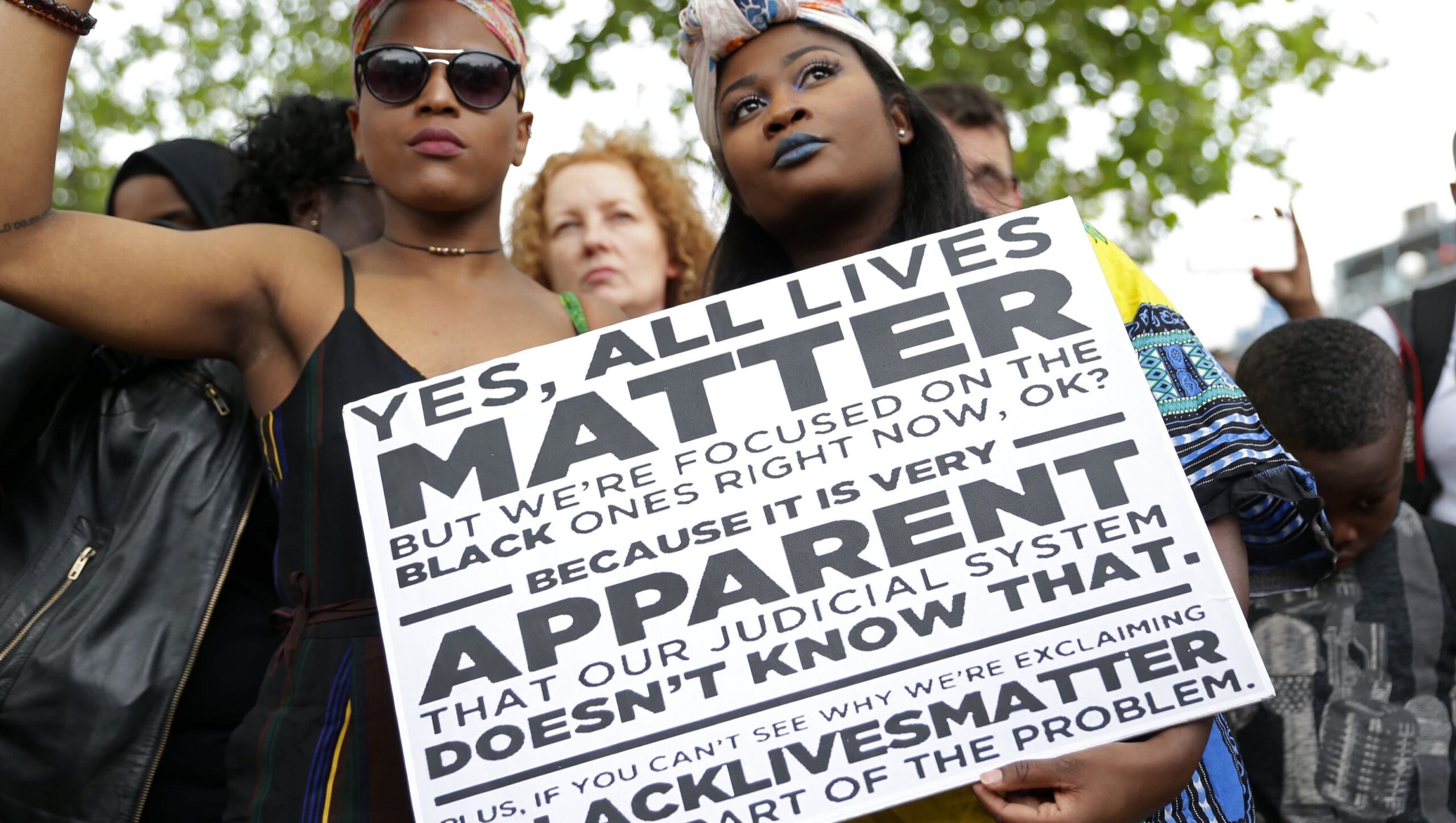
Today, the focus is on changing attitudes rather than actions. This emerged with the Black Lives Matter movement that boils down to a slogan championing the dignity of African Americans. Some actions have been advocated such as defunding the police, but they soon petered out as they offered little concrete actions that supporters could take.
It became evident that we are talking about overcoming the systematic racism that pervades our society. Although this is a pretty abstract academic term that almost invites the charge of elitism, it does describe the goal.
Promoting Critical Race Theory soon became the means to reach that goal. Focusing on the big role education plays in changing hearts and minds, it advocates simply acknowledging how much slavery has affected American history. That really came home to me when our Monday night discussion group read short stories written by African Americans. After a few weeks, one of the group observed how surprised he was that authors way back in the 19h century were already addressing issues he thought were recent concerns.
When you recognize that white dominance is coming to an end, it makes sense that people respond emotionally, not rationally. Angry resentment is evident when they insist “I am not racist!” or “All lives matter.” They accuse us of playing the race card implicitly acknowledging it trumps their arguments. Because that emotion expresses deep fears, there is always the threat of violence.
The situation calls for new actors. In the past, we relied on lawyers and politicians as our goal was to change laws. Today we are out to change minds and hearts and that depends on educators, artists, and theologians. They have the tools that allow us to ponder the issues without anger. They are able help us cast out our fears.