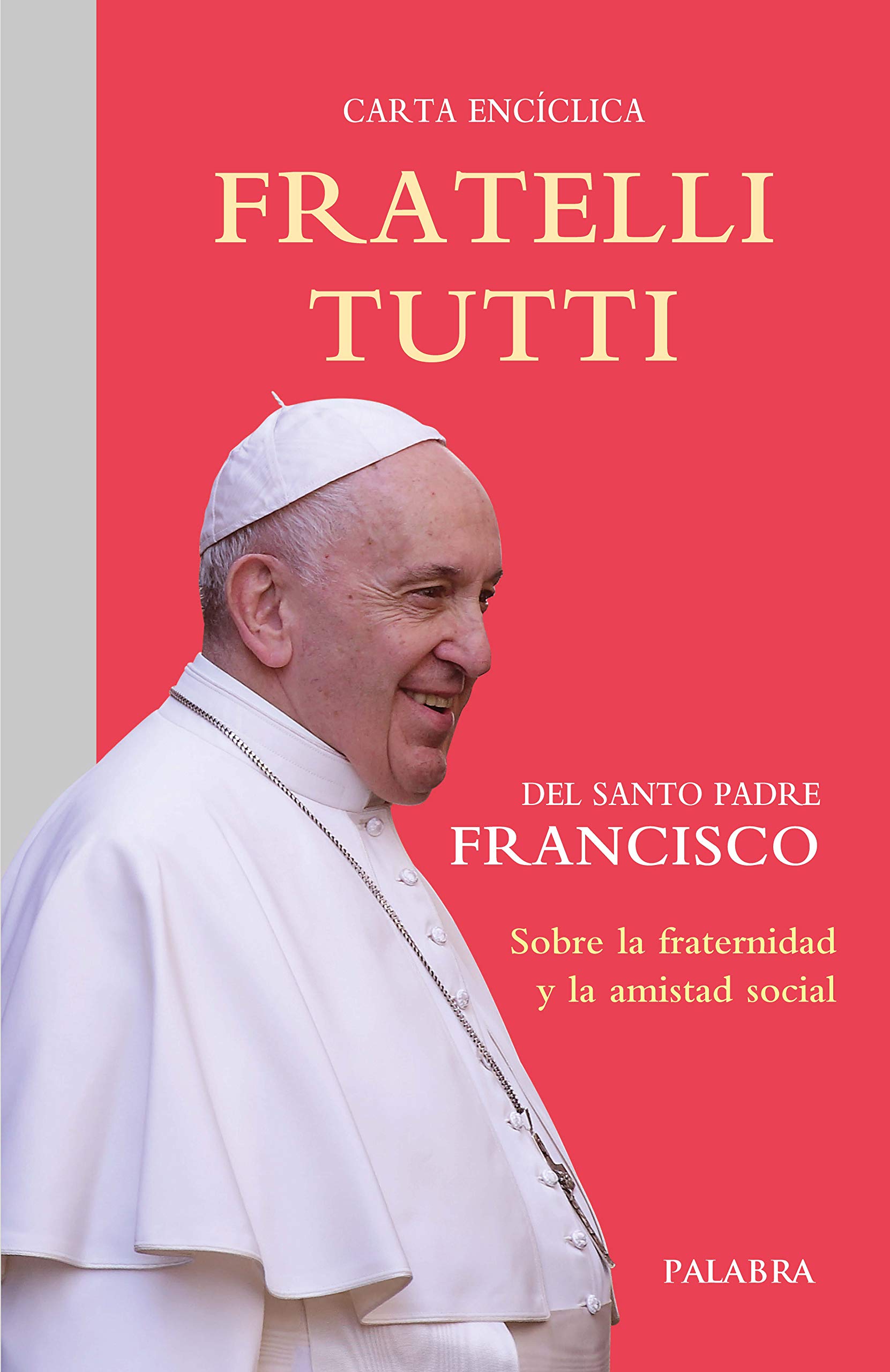
You can readily see the division that splits every major Christian body in the response given this encyclical. The Pope’s belief that Christianity is primarily about relationships is very evident in this letter about social justice. He repeatedly speaks of the need for unity. His critics want no part in this, because they believe doctrines are more important at this time. They think we are engaged in a cultural war in which secular humanists want to destroy the Church. Of course, talk about correct doctrines and wars fosters division rather than healing.
It is quite clear where the Pope stands. One of his basic assumptions could serve as an article in a secular humanist’s creed. #187 “Human beings are so made that they cannot live, develop and find fulfillment except in the sincere gift of self to others. Nor can they fully know themselves apart from an encounter with other persons: No one can experience the true beauty of life without relating to others, without having real faces to love. This is part of the mystery of authentic human existence. Life exists where’re there is bonding, communion, fraternity; and life is stronger than death when it is built on true relationships and bonds of fidelity.”
Francis emphasizes talk about the solidarity of humankind cannot remain an abstract idea but must always involve concrete caring for the vulnerable. “Individuals learn to set aside their own wishes and desires, their pursuit of power, before the concrete gaze of those who are most vulnerable. Service always looks to their faces, touches their flesh, senses their closeness and even, in some cases, ‘suffers’ that closeness and tries to help them. Service is never ideological, for we do not serve ideas, we serve people”(#114).
He follows Jesus by using the parable of the Good Samaritan to define love as caring for another and insists this relates not only to personal relationships (fraternity) but also to institutional ethics (social friendship). In discussing the parable he claims “the decision to include or exclude those laying wounded on the road or pass by them is the criterion for judging every economic, political, social, and religious project.” (#69)
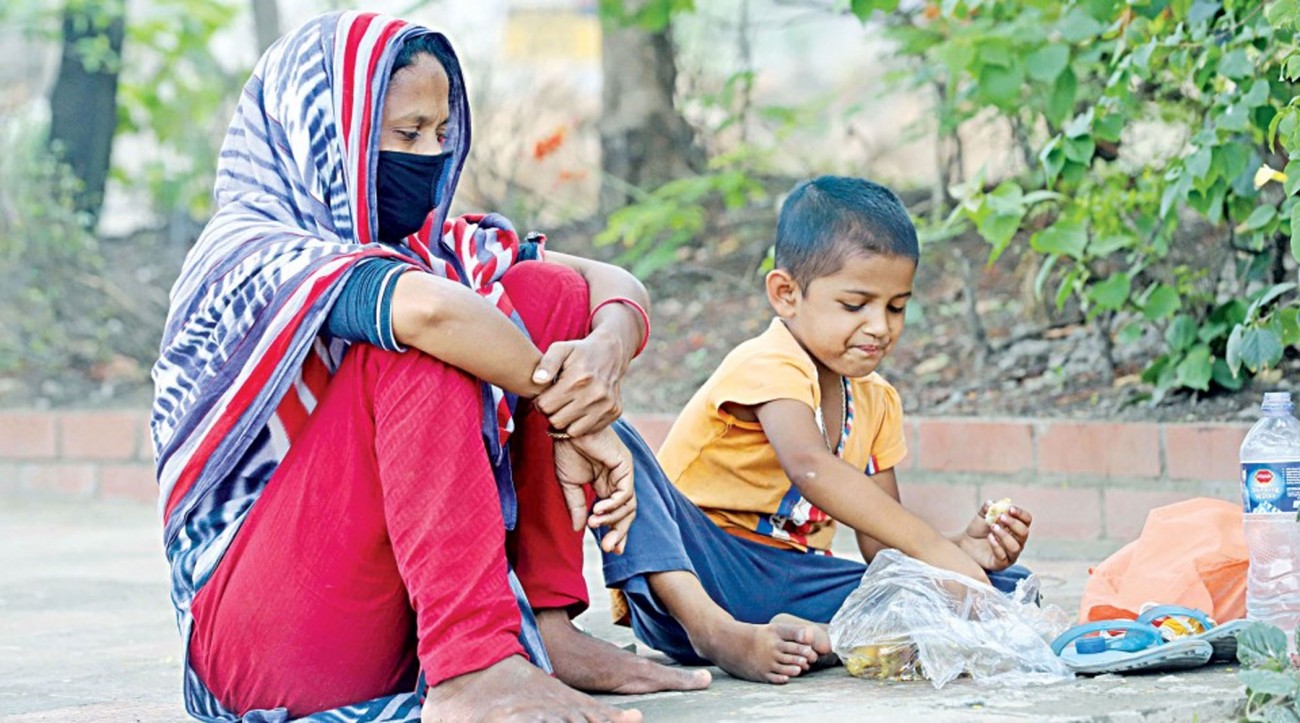
The Pope emphasizes care for the poor throughout the encyclical, perhaps because it is so desperately needed in our time and place. We should be aware he is not speaking radically but totally in line with biblical thought from the beginning. The ancient book of Proverbs recognizes this when it claims, “Whoever is kind to the poor lends to the Lord” (19:17) and “Those who oppress the poor insult their Maker, but those who are kind to the needy honor him.” (14:31) But we especially have to hear Proverbs 22 : 22-23 that reads “Do not rob the poor because they are poor, for the Lord pleads their cause.” There’s a lot of robbing the poor in our credit-based economy that takes advantage of the vulnerable to make a profit.
If there is any doubt about the Pope’s intention, they are dashed when he asks us to “develop the awareness that nowadays we are either all saved together or no one is saved.” (#137) Who would ever expect that from a pope?
Next week, I want to begin discussing some of the implications in the Pope’s ideas. He tries to express basic Christianity, but for the most part lets us decide what this means for us in our particular places.