
At first, it might seem strange that belief in the forgiveness of sins appears so prominently in the Creed. Sin is not a popular topic in the modern world. To acknowledge a mistake is a sign of weakness. A failure is simply a learning experience on the way to success. We should be emphasizing the positive, not focusing on the negative. We should talk about people making mistakes, not doing evil.
It is easy to see the effects of these half-truths in the life of the Church. Very few Christians show up for private confessions. When participating in general confessions, they have trouble discerning what sins they have committed. Older Church members report that sermons during their youth made them feel so guilty they lost their self-respect. Younger members have never heard sermons dealing with sin and evil, because preachers usually define faith as the power of positive thinking.
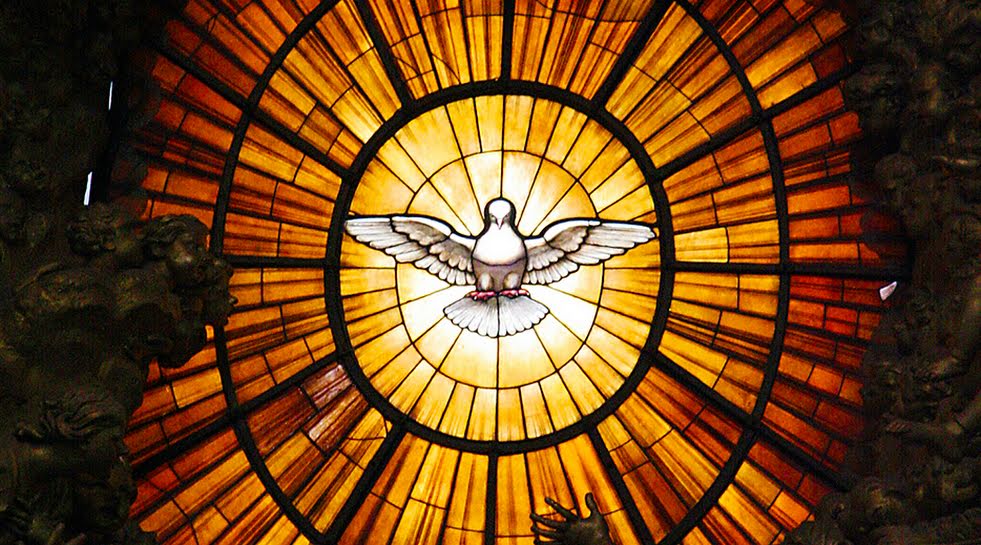
The inclusion of “the forgiveness of sins” in the Creed challenges this modern trend by returning to the Bible’s understanding that uses forgiveness to summarize the gift of the Holy Spirit. Jesus describes the gift: “If you forgive the sins of any, they are forgiven them; if you retain the sins of any, they are retained” (John 20: 23, Matthew 16: 19, Matthew 18:18). The early church wrote that her proclamation was “preaching repentance for the forgiveness of sin” (Luke 24: 47, Acts 2: 38, Acts 5:31).
It is pretty obvious the Creed and the Bible think forgiveness is an appropriate way to describe Jesus’ work, because it heals the broken relationship between God and his people. They both regard this as a tremendous change in history that demands a radical response from individuals. Things are not as they should be; we are not who we should be; transformation is necessary.
The half-truths I listed in the first paragraph deny this change. Every one of them speaks of being successful in the ways of the present society rather than correcting the abuses all around us. They counsel conformity with the way things are, rather than allowing God to transform our world and us.
Christians are not going to correct this denial simply by reviving ecclesiastical practices. Too often traditional confession reduced forgiveness to an ordained person offering absolution to individuals. The focus was on God forgiving a person for sins, such as saying mean things to your sister or thinking evil thoughts about your boss. Healing broken relationships with other people was a secondary matter. Addressing the structural evils of our society was completely ignored. Life went on as if nothing significant had happened.
To confess, “I believe in the forgiveness of sin” recognizes God is changing things and invites us to participate in his redemptive work. If God loves us in spite of our sins, we should love others in spite of theirs. “Forgive us our sins, as we forgive those who sin against us” should be an essential part of our daily prayer.
That means constantly repenting by rethinking what we believe as prelude to changing what we do. It involves constantly asking what it means to return good for evil in this world.
Forgiveness is very healthy. It enables us to let go of that part of the past that cripples us. Without forgiveness we are trapped in the present, because we must live with the evil of the past. With forgiveness we are free to pursue the creative future God offers us. Without forgiveness, we end up with the abusive rhetoric of the present presidential campaign that blames “them” for all the evil around us. With forgiveness, we dedicate ourselves to work lovingly to heal our broken relationships with “them.”