
Let’s answer the two questions with which we began: Is there a life after death for me? Shall I be with my loved ones who have already died?
In the New Testament, the question is whether those who have died will be able to enjoy the future beloved community God promises. It answers that God’s first action in that great resurrection will be to raise the dead so they can participate.
The concern is reflected when Paul mentions that some are baptized for the dead (1 Corinthians 15:29) and when Peter pictures Jesus proclaiming the gospel in the place of the dead (I Peter 3:19).
This was not immortality of the soul or reincarnation, but the raising of a unique singular person. When Paul assures me death will not separate me from the love of Christ, he is talking about a body enlivened by a spirit known as Fritz.
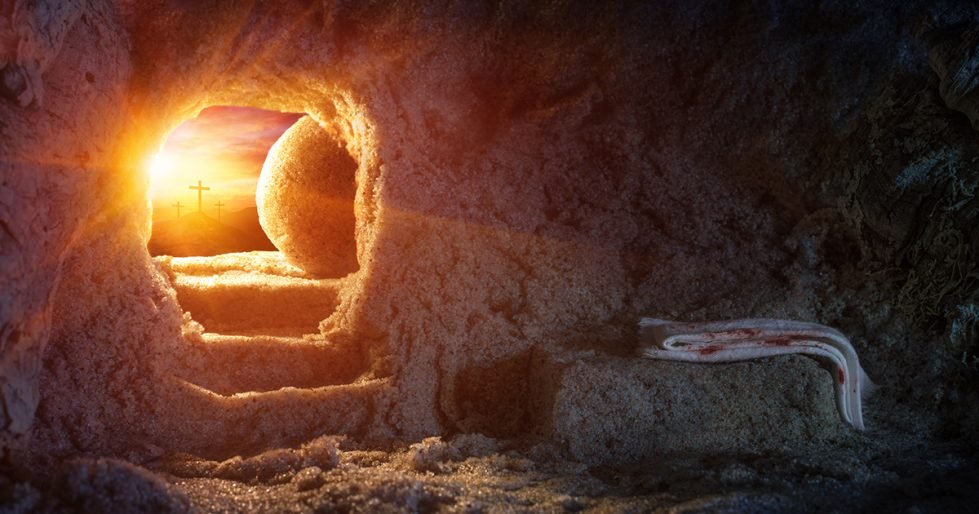
The New Testament is adamant about this. Paul goes to great length describing an imperishable body, the Easter story emphasizes the body was gone from the tomb, and Jesus invites his disciples to touch him and eat with him.
Doing so was quite controversial as the politically powerful Sadducees saw this as heresy. They pointed out there was no such thing in the Old Testament.
The New Testament is not so straightforward about whether we shall have social relationships with those we have loved in this life. However, it can be assumed as resurrection is always in a community.
As Mark Twain humorously makes clear in “Captain Stormfield,” community is a lot more than spending eternity playing the harp, singing in a choir, or being absorbed in light. Jesus hardly precludes knowing and relating to one another when he claims there is no marriage in the community. He might just be deflecting what seems a silly question by observing there is no need for the security of a marriage promise.
Obviously, we are talking about a mystery beyond our understanding, however, we should be careful with the metaphors we use. I like conversation as it conveys the simplicity of Genesis’ picture of Adam engaging in conversation with God in the cool of the evening as well of the theological complexity of being included in the conversation between the Father, Son, and Holy Spirit.