When I graduated from seminary, the question was whether there was a place for religion in the new age of science. We thought we were entering a period when we could make all of our decisions based on facts, not superstition. Some of my friends were working on getting computers to speak with one another. They assured me it would not be long until we could manage incredible amounts of data, enabling everyone to agree on what is truth.
And here we are, now arguing about fake news and accusing our opponents of denying science. Political speeches begin with “Everyone knows this is true,” when half of the electorate totally disagrees with what follows. What happened?
As with anything in real life, we are dealing with complexity. However, it is pretty clear a major problem developed when corporations found they could use huge databases for profitmaking. As the Netflix documentary “The Social Dilemma” reports, this involved manipulating the data people receive. Truth became a tool merchandisers and politicians could use to get their way, rather than a standard for evaluating their actions.
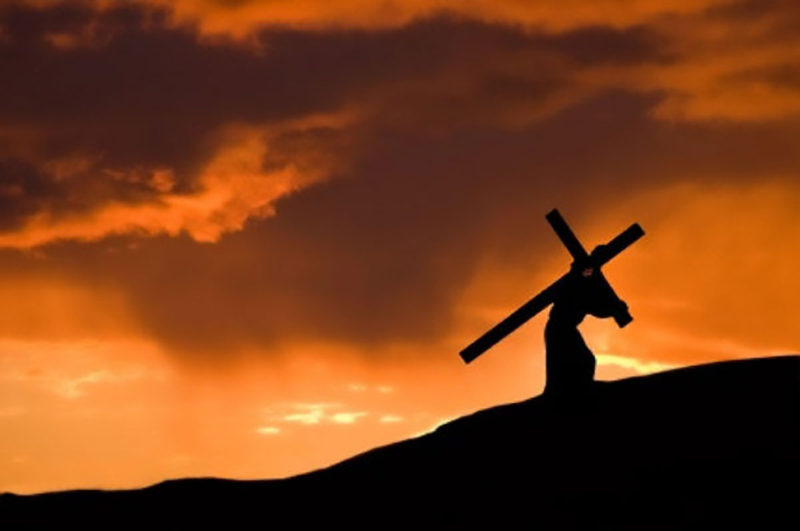
The Gospel of John identifies this as a major issue at the crucifixion. At this critical point in his ministry, Jesus engages in a conversation with the governor, Pilate. He denies he is a king who relies on the power of mighty armies. His followers gather around him to hear the words of truth. Pilate responds, probably with a smirk, ‘What is truth?’
It is pretty clear Pilate defined truth as whatever Rome says it is. It was a political tool used by the powerful, just as it is an economic tool used by the wealthy in our time. From the perspective of Jesus’ teaching, either of these calls evil good and good evil.
John presents a pretty straight forward simple picture of what Jesus means. In his first chapter, he defines truth as the logos or rational principle that Jesus reveals engrained in God’s creation. The Christ calls this “the Way, the Truth, and the Life” that he identifies as loving one another as he loves us. This truth was so central to the message that the earliest Church was known as People of the Way.
If this at first seems an impractical way to perceive truth, consider how it contrasts with what is going on around us. A perception of truth that begins with love features cooperation, sharing, and serving rather than manipulating, using, and exploiting. It seems a far better way to work toward the goal of a common good than pursuing personal gain. The search for truth surely involves honesty and objectivity but both of these depend on the trust found in loving relationships.