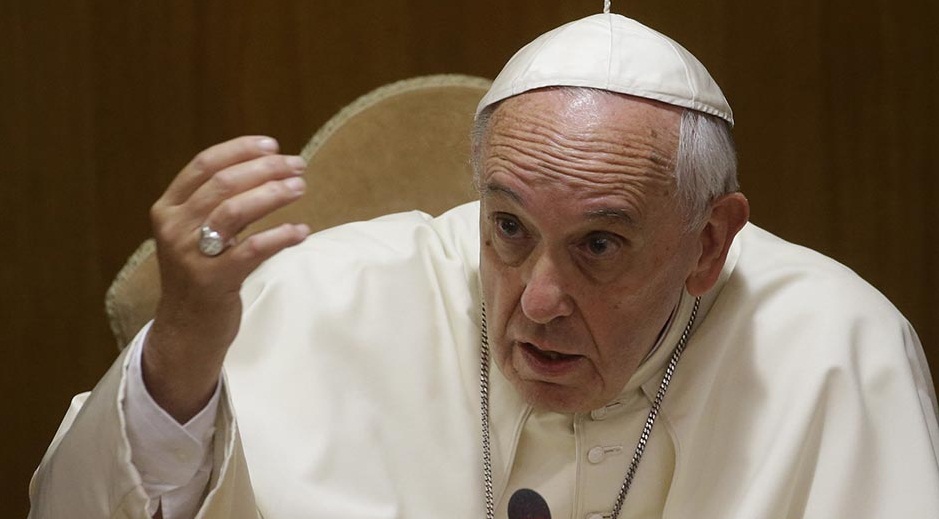
My plan was to spend the summer casually examining Pope Francis’ theology. It seemed an easy assignment, simply posting summaries of readings I have been wanting to tackle.
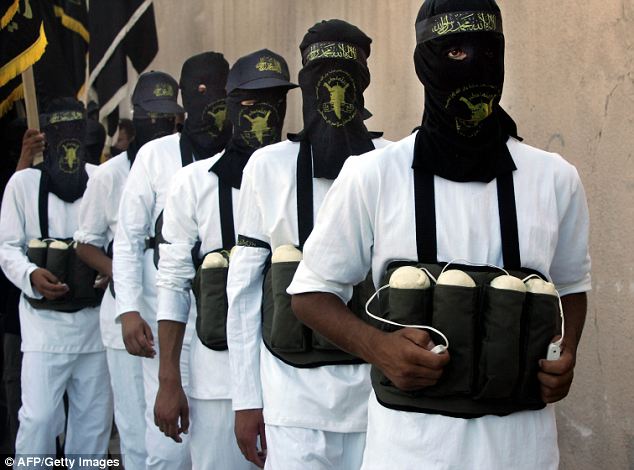
Those hopes for some quiet academic study quickly went up in flames. Some respondents vociferously chided me for passing indifferently over life-and-death issues. Their chief argument was that academic discussion has become useless. In a time when so many people are being exploited and killed, Christians must fight power with power.
I found it impossible to ignore their protests, because the public conversation had turned so violent. Donald Trump, of course, remains the epitome of politicians on both sides who mercilessly demonize their opponents. However, Christian leaders have also taken to calling those who do not accept their position pagans. I am presently reeling after reading a perfect example yesterday. A respected professor whom I regarded as sophisticated and fair used one statement made by one person to claim the entire Democratic Party opposes essential Christian teaching. This led to almost a hundred of his followers labeling all democrats worshipers of Moloch and Herod. This kind of religious speech incites violence just as much as political rhetoric. I think it reflects what Jesus meant when he compared anger with murder in the Sermon on the Mount. Violence language puts us on the road to genocide.
Nonetheless, I still refuse to think Christ calls us to fight violence with violence. I cherish Francis’ claim that the primary Christian response to violence is gently assuring everyone around us that “It is good you exist” by using words like “please,” “thank you,” and “sorry.” Increasingly, I think many of us have forgotten how to live humanely and need above all else examples from those who do remember.
I find myself saying that whenever I read the detective stories written by Louise Penny. Her hero, Armand Gamache, claims that four sayings that lead eventually to wisdom are “I’m sorry,” “I was wrong,” “ I don’t know,” and “I need help.” My first response is always “C’mon, everyone of us knows that.” My second is, “Oh no we don’t.”
I, at least, see Francis’ refusal to be judgmental as a needed contrast to Benedict’s insistence that we need to promote absolute doctrines. His refusal is not a retreat into relativism as if anything goes but instead an acknowledgment that truth must be tested in real life situations. Christianity is about living Christ’s way, not believing some doctrine.
Somehow many see this as compromising Christian commitment. In truth, we are talking about giving your life for a person, not a belief. Christ did not sacrifice himself for some theological issue but for you and me. So, too, his followers are willing to die for him and for other persons. The question has always been not for what but for whom you are willing to die.