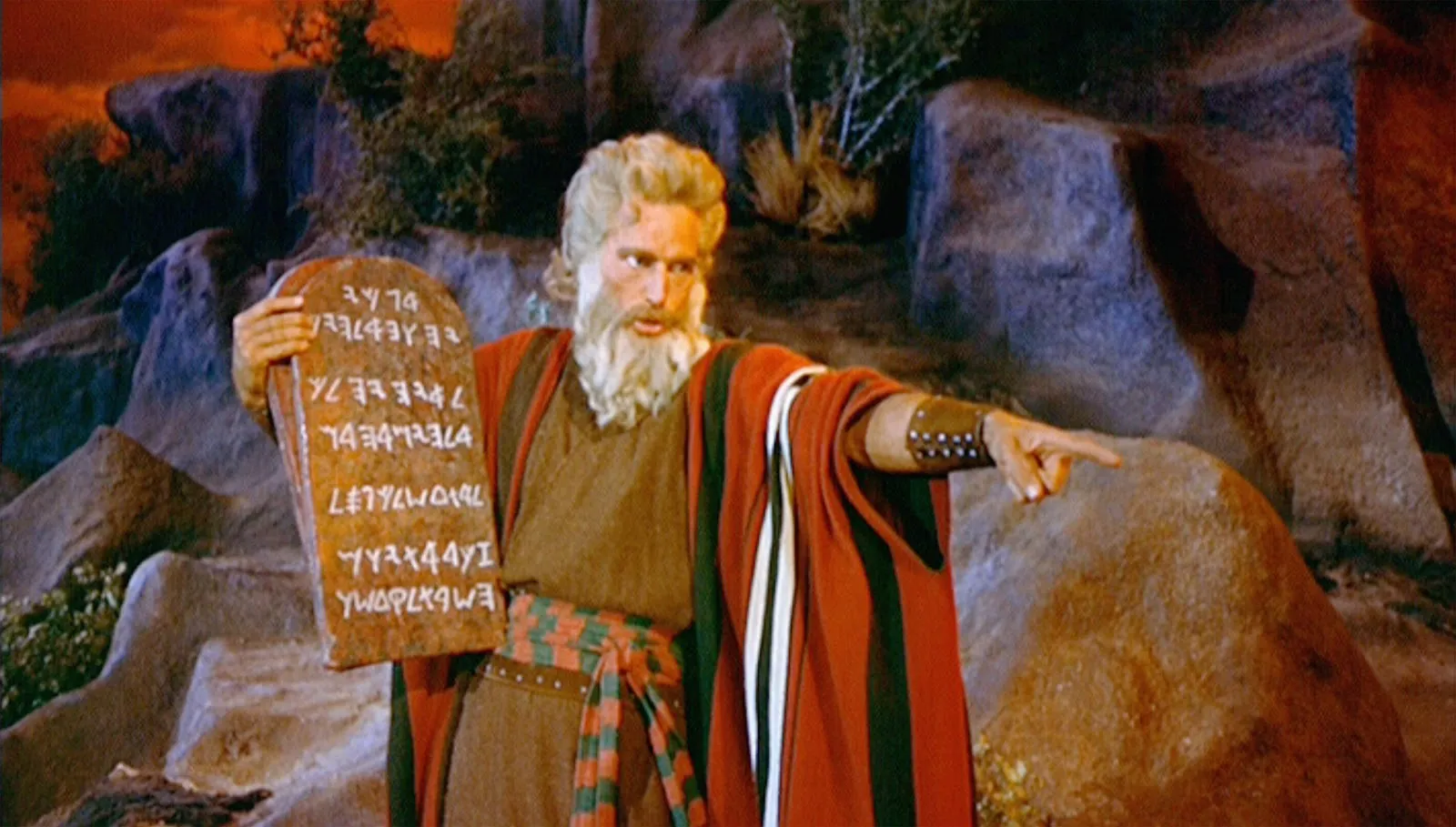
The Moses story is not only that God frees the Israelites from slavery and genocide, but also that he creates a nation by giving them their own land and teachings about just ways to live in it.
I was caught off guard when discussing these social teachings in our Monday night gathering. My intention was to indicate they provided some guidelines for discerning God’s Word in our time. Ancient people were starting to perceive the orders of creation that make for a healthy society, such as insisting on two witnesses and limiting retribution to an eye for an eye.
Participants argued that they regarded these teachings as more harmful than helpful because they used God to justify and enforce human prejudice. The order I was approving really supported social ranking that preserved the privilege of the powerful. They were especially troubled by how they kept women in a lesser place.
On reflection, I had to acknowledge that the Bible reflected this conflict. Exodus 19- 23 supported my thought that the law promoted justice in community decisions. It begins by prescribing fair treatment of slaves. It goes on with protection for the weak: slaves, widows, orphans, aliens living in your midst, poor seeking loans, women caught in compromising situations, animals, and the earth.
Justice meant considering the circumstances and situation of actions. It included distribution as well as equity: gleaning so the poor and animals have enough, no interest charged for loans. And there were even Good Samaritan laws: returning someone’s lost animal, not returning an escaped slave, feeding a working ox.
The Deuteronomy 19- 26 rendition of these teachings is more concerned with maintaining the purity of the community. It begins with cities of refugees that provide a way to cast out evil, even when it is done accidentally. It purges the community of lepers and all sorts of people they considered contaminating society.
Those who challenged my rosy reading pointed out preserving the purity of the community really was a defense of privileged male power. It carefully defined a subordinate role for women. It justified genocide In warfare that brought spoils to the powerful. It claimed God approved the execution of any who challenged the status quo.
Obviously, we still must deal with this conflict between justice and purity. One side argues for casting out illegal immigrants and the other insists they have the rights of due process. One justifies genocide in warfare to eliminate terrorists and the other calls for protection of the innocent. One claims heterosexual marriage is essential for a healthy community and the other that faithful homosexual relationships are equally acceptable.
The conflict between justice and purity still haunts us.