As I wrote previously, some in our discussion group were troubled by the way women were treated in the ancient stories. Others suggested they had to read these in their historical contexts. When things got pretty emotional, we decided to continue by reading Ruth and Esther.
My confidence in having a good grasp of Ruth was challenged when reading Josh Scott‘s book, Context. He examines popular teachings that are often taken out of context and misread.
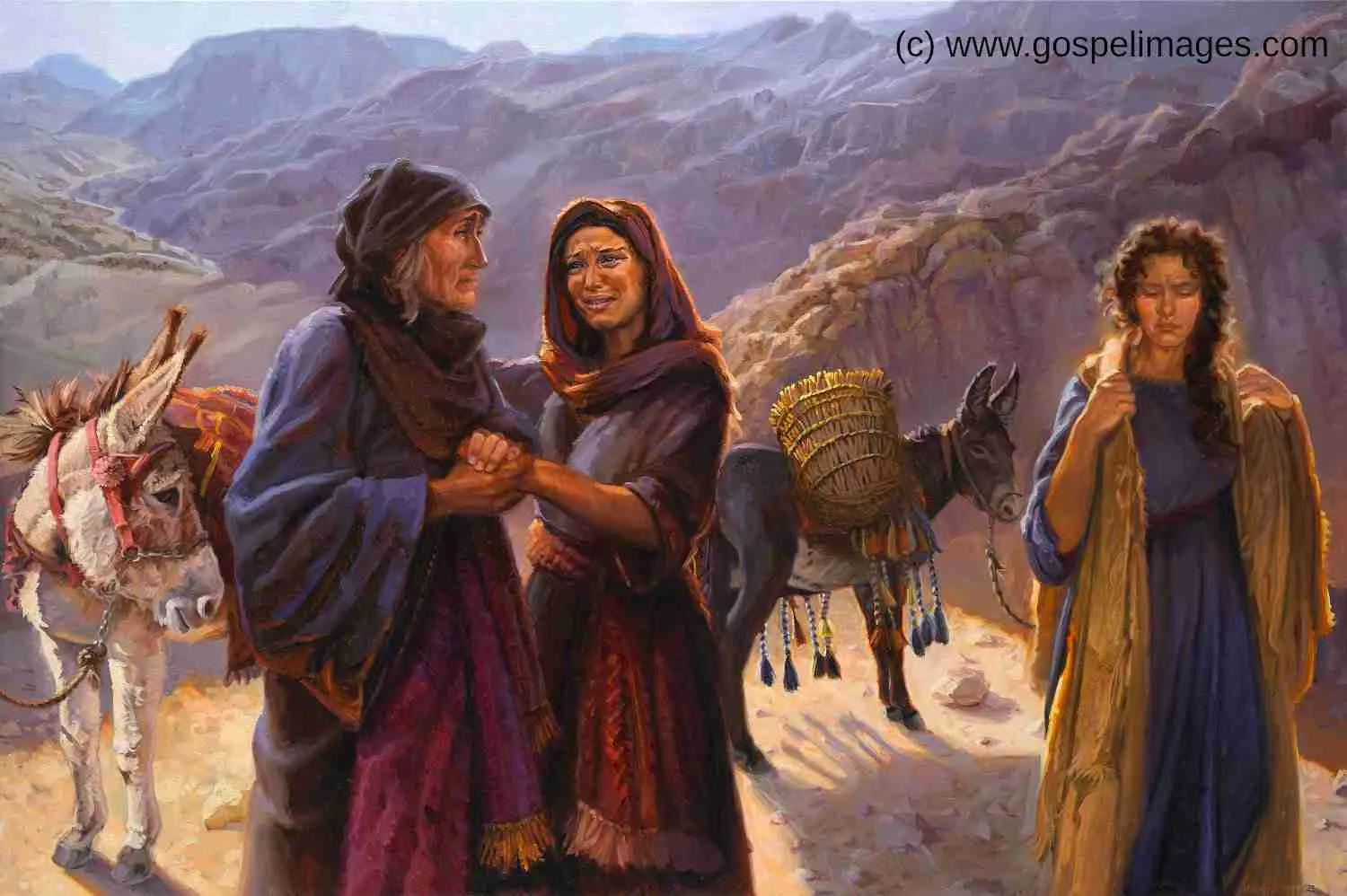
One of his examples is using Ruth’s promise to Naomi as a wedding vow. When doing this, we miss what the Bible is trying to say about a woman promising to protect another woman in a male-dominated society. In our culture, a wedding vow is enforced by the government. In Ruth’s case, the promise was necessary because the government failed the women. A woman was endangered without a man to protect her.
As I reread Ruth this time, I realized the importance of recognizing this contrast. All the familiar themes we find in ancient stories as well as our own were there: the danger of famine, which we know as climate change, the need for migration resulting from natural or political causes, the threat of living as aliens in a foreign land, and the responsibility of the family to care for one another.
But in Ruth, these are all told from the perspective of women living in an ancient male-dominated society. Brotherhood is extended to sisterhood. Fear of violence centers on rape. The power to get what you need resides in sexual attraction.
You can’t read Ruth without hearing that women are dependent on men. A single woman needs a man to come forward to care for her. And it is evident this frequently does not happen. We hear of young men regarding lone women gleaning the fields as available sexual objects. We hear of kinsmen choosing to ignore their responsbility. And we hear there are only a few good men like Boaz who are willing to care for such women.
But mostly we hear of women having to fend for themselves, which, in this story, means using their charm to get a man. Women need to be shrewd. Women need to work with one another.
The story is also important in larger contexts. On one level, it counters the command of Ezra and Nehemiah that Hebrew men should divorce their foreign wives to maintain the purity of the people. Ruth’s story reminds us the great grandmother of King David was a Moabite. Matthew makes the same correction when he includes Ruth in Jesus’ genealogy.
And of course, the story forces us to look at the misogyny that is still practiced in our society