After examining the goodness of creation and humanity’s task in caring for it, Genesis spends several chapters on our failure. Again it is clear we are not dealing with historical events so much as the meaning of ancient stories that try to express humanity’s alienation from God.
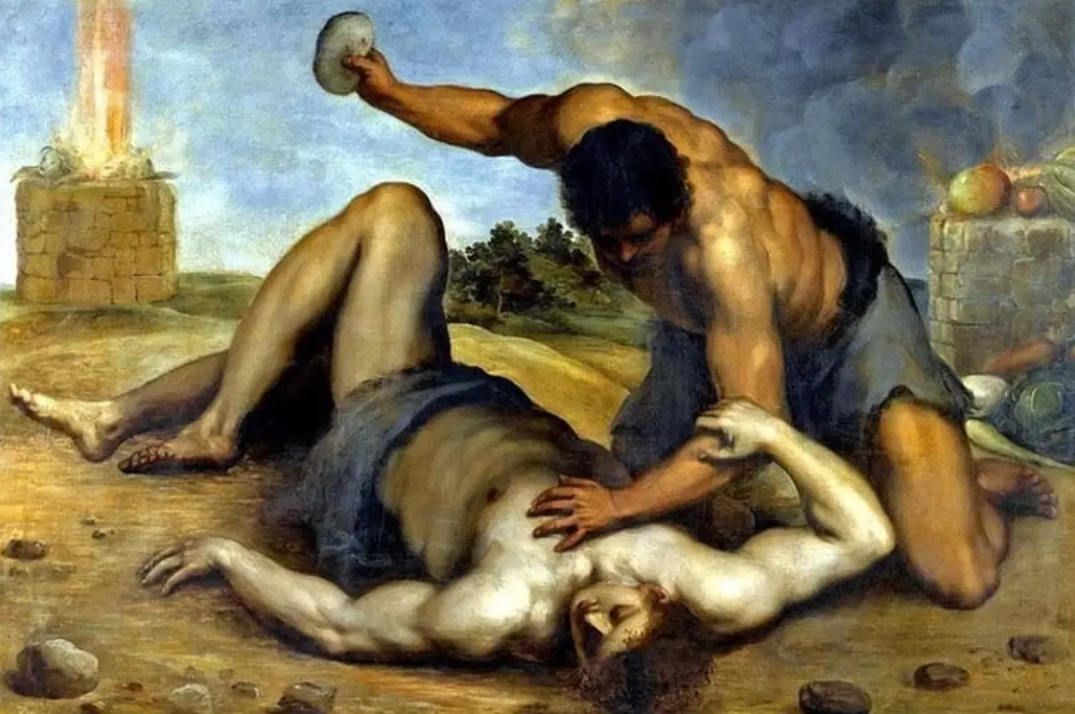
The rather bizarre narrative and four stories maintain our broken relationship with God leads to fractured relationships with other people and indeed other parts of creation. Already in the Eden story, the serpent has rebelled against God’s sovereignty. The goodness of Creation is being corrupted. Eventually, animals move from friend to food. However, the Bible concentrates on the divine-human break.
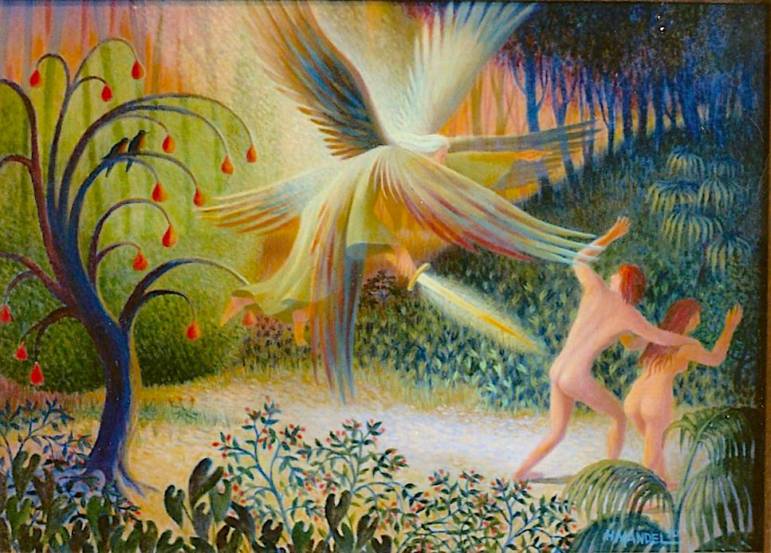
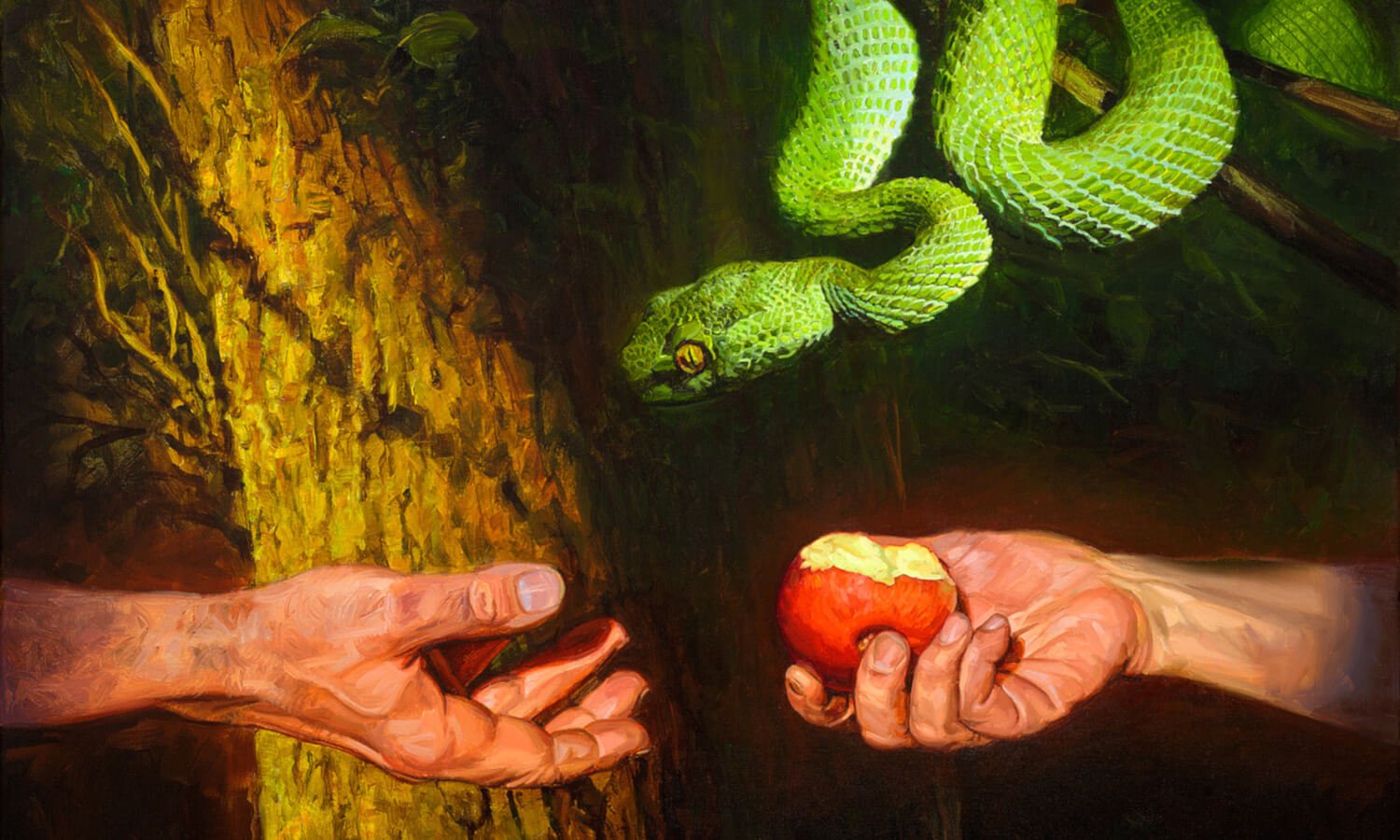
The rather silly tale about eating the forbidden fruit in the Garden of Eden claims the problem is based on humans’ desire to play God. (Genesis 3: 1- 24) It and all the other stories claim this is a self-defeating attitude because it goes against the grain of the universe. Living well in creation involves letting God be God.
Now more than ever, this is humanity’s challenge. Philip Hefner, a respected theologian studying technology, maintains everything in technology is making the good what we want it to be. He claims technology by nature uses its powerful tools to play god.
You see this in decisions concerning abortion. Once we have the ability to perform safe procedures, the whole debate changes. Unless you insist there is an absolute law against abortion of any kind, you are quickly making life and death decisions. Free will has always been a highly debated issue in Genesis studies. Some think it appears that God gives humans free will and then punishes them for using it. The power of modern technology makes it imperative that we work together on what it means in our day to do God’s will. That is certainly one of the central questions pondered in Genesis.
The Eden story includes another humorous but telling insight into the loss of divine-human intimacy. Rather than repent and correct the situation, the humans blame one another for their sin. Indeed, they end up blaming the serpent. Perhaps this weak-kneed passing the buck continues when some later regard the snake as Satan. Flip Wilson grasped the silliness of this when he constantly remarked, “The devil made me do it!”