
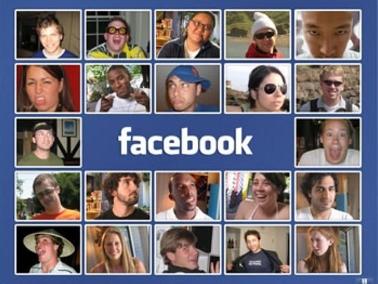
Supposedly, I have 48 Facebook friends. I can easily pick up more by accepting the invitations that daily arrive on my e-mail, often from people I have a hard time identifying. And, of course, I can unfriend any of the 48 by simply pushing a button.
These Facebook friends are another example of modern negotiated personal relationships. However, the terms are set by Facebook. The users can use the system, if they agree to its restrictions.
My Facebook friends tell me where they are and what they are doing and feeling. I can respond by hitting the “like” button or by making a very brief and, hopefully, clever comment. I can express my emotions by using symbols on the keypad, but I cannot hug, kiss, or even touch them. In fact, I cannot engage in any prolonged or profound conversation using the options available. There is no doubt I can stay in contact over a long distance, but this is a very narrow band connection.
Most of us have given some thought to the limitations of Facebook friendship. We realize we have to give up some things in order to enjoy the long distance, immediate connection it offers. And we find there are times when a narrow band connection will do just fine. We use our cell phones to contact others via text messages rather than the spoken word, because we do not want to get involved in a prolonged conversation. We want a “yes” or “no” answer, but not a challenge.
At the same time, I don’t think there is enough thought given to exactly what is lost. Electronic communication lacks the vulnerability and accountability of face-to-face relationships. When you proclaim, “I love you” in a traditional face-to-face relationship, you must confront the person addressed day after day, at least implicitly being challenged, with “Show me!”
Technology is designed to help us get what we want, to solve our problems. It is by definition egocentric. We naturally find ourselves using it to stay connection with people just like us, but seldom to work toward a common good with those having a different position.
One of my son’s friends studies robotics. When asked by a dinner guest why he is so interested in robots, he replied it was very simple. He would much rather have a sophisticated robot to dinner than the questioner. The robot would only tell the kind of jokes he enjoys, only say things that make him feel good, and never challenge him in any way.
Obviously, Facebook friends are not robots. However, they in no way provide the checks on self-absorption provided by friends, family, and neighbors in traditional friendships. Today we prefer to call it radical individualism, but it certainly is self-absorption by traditional and Christian values.
All this is to say, I think a Christian perspective believes electronic media should supplement, but never replace, face-to-face relationships. Face-to-face relationships, such as those hopefully found in local communities and the Church, are essential for the real creative dialogue that leads to a healthy society.