
I decided to write this series after being disturbed by powerful people claiming forgiveness is for losers. People around me also seemed to have difficulty saying, “I’m sorry!” or “Please forgive me!” And of course, my Roman Catholic friends were not going to confession anymore.
After two months of paying closer attention to what is happening, two new insights stand out.
The first is how much forgiveness is woven into every part of the faith. In the past, I thought of it as a passive reaction that maintains a personal relationship. Forgiveness extends mercy to individuals who hurt us, overcoming offenses that might destroy our friendship.
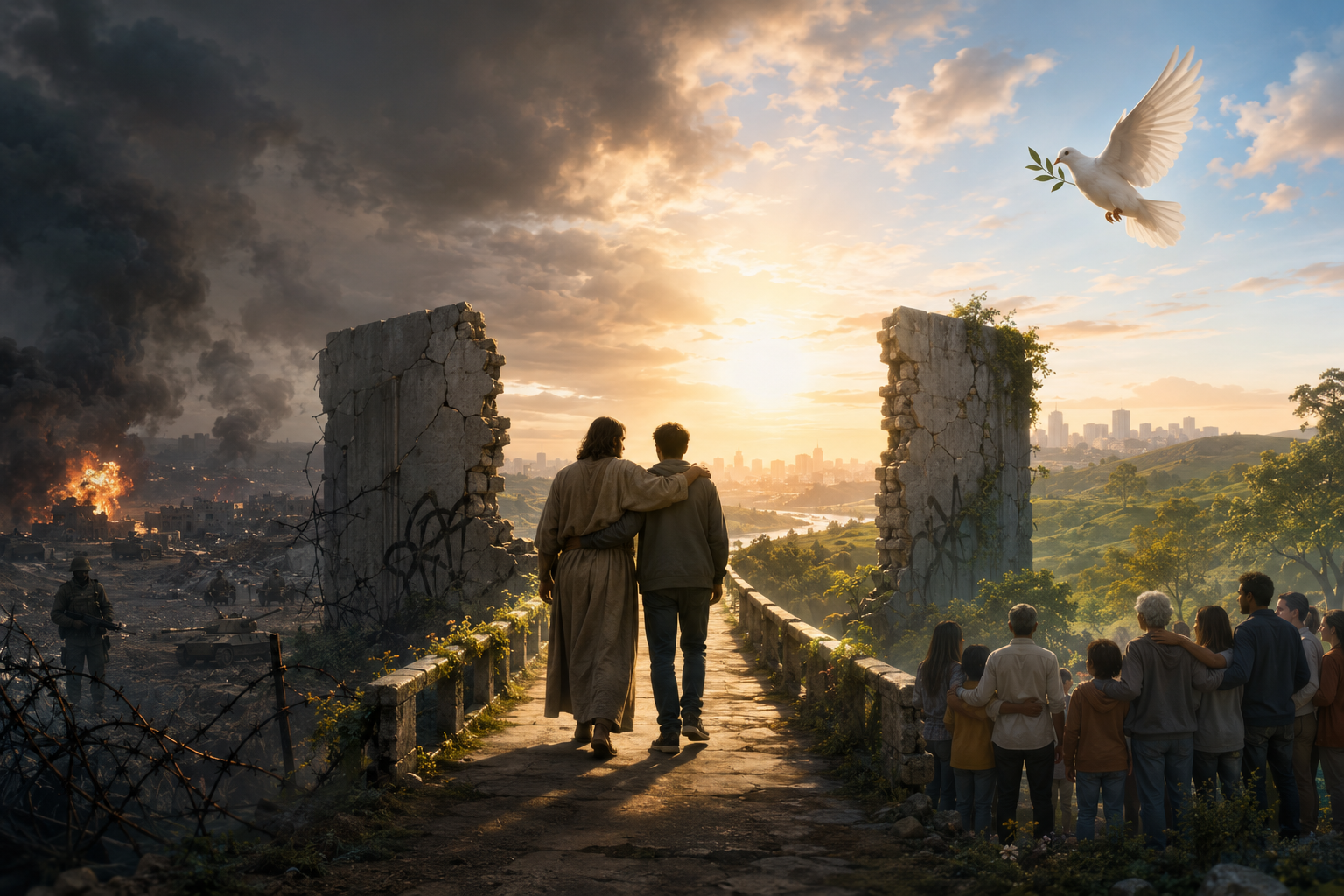
When I reread Jesus’ call for repentance at the beginning of his ministry, I realized he was referring to two forms of forgiveness. The first involved changing the way you treat people; the second involved participating in a movement that changes the world.
Both prevent past events from becoming obstacles to building a better future. Both enable us to work together as individuals and as groups for the common good.
Now I find myself reading passages such as “Love your enemies; do good to those who hate you; bless those who curse you; pray for those who mistreat you” as statements about forgiveness opening the future to change.
The second insight is how vehemently a growing number oppose this. Many see Christians engaged in a battle between good and evil in which God calls them to defeat the enemy that hates and curses them. In this context, to forgive is to compromise with evil.
This group does not see faith as inspiring change but rather as resisting it. Christianity preserves past traditions rather than opening up the future. New developments such as gay rights are evils that have to be eradicated. Forgiveness is confined to personal relationships.
I found this quite dangerous because violence might be necessary to defeat evil in the wider community. If you cannot convert your enemies, you have to eliminate them or engage in self-destructive warfare.
Providentially, just as I was pondering this, I read about the Pope’s recent call for a civilization of love built on Christians respecting the dignity of all persons and working with them on the common good. I’d like to begin examining that next week.