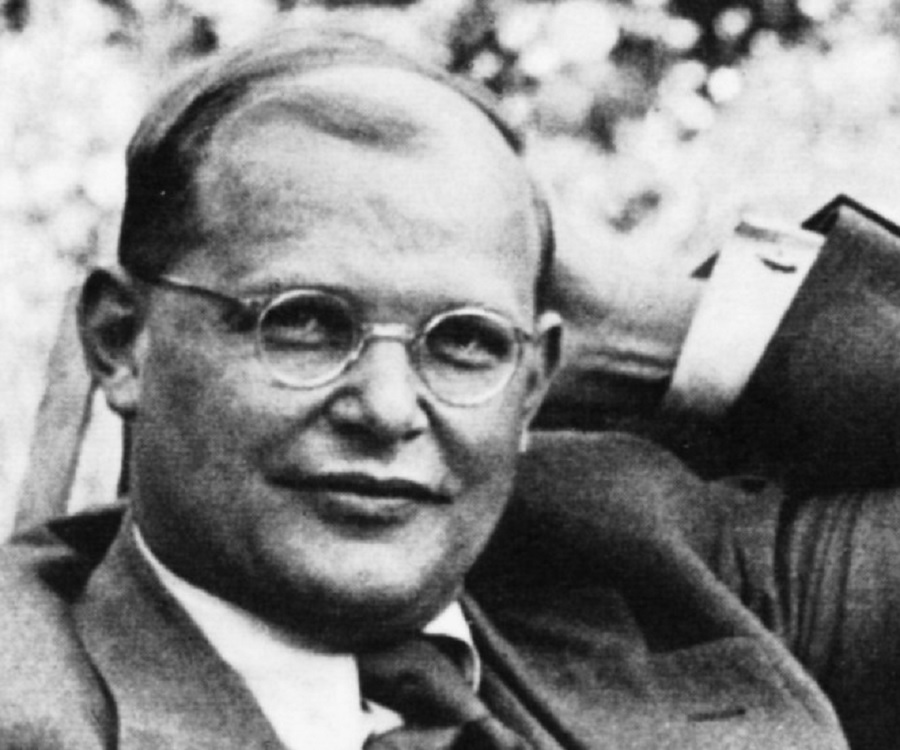

I first read The Cost of Discipleship my first year in divinity school when a classmate, Gene Outka, who went on to teach ethics at Yale, recommended it as something every Lutheran pastor should read. It was good advice.
Bonhoeffer laments that the Church has made Luther’s justification by grace through faith into a doctrine that can be used to excuse any kind of immoral activity. He described this as cheap grace. “Cheap grace is preaching of forgiveness without requiring repentance, baptism without church discipline, Communion without confession, absolution without personal confession…grace without discipleship, grace without the cross, grace without Jesus Christ, living and incarnate.“
I imagine Bonhoeffer was thinking of those who used the doctrine to cover the sins of the Nazis. I hear the same thing today when people justify their support of politicians who engage in activities clearly condemned in scripture by claiming we all sin and need the forgiveness God promises. They make the promise to open the future by forgiving the past into an excuse allowing anything.
In response to this kind of thinking, Bonhoeffer calls for returning to scripture where we find Jesus teaching a costly grace that is a way of life not, an abstract principle. Jesus certainly paid the cost of grace by dying for us on the cross; however, he declares his followers must share his work of forgiving sin by bearing their own crosses. At one point, Bonhoeffer claims the only person who is really able to say she is justified by grace is one who left everything to follow Christ. To follow is to imitate Jesus by sharing his suffering at the hands of a godless world.
Significantly, most of the book uses the Sermon on the Mount to illustrate costly grace. Luther thought the sermon was the means Jesus used to convict his hearers of their sin as a sort of set up for his offer of forgiveness. Bonhoeffer takes the sermon literally, seeing it as a call to a better righteousness in which Christians are salt and light for the world.
The Beatitudes identify the priorities of this righteousness, showing clearly we are meant to transform worldly values. We do that by entering into a relationship with Christ that inherently brings us into a loving relationship with other people. In this context, the neighbor makes a claim on us just as much as Christ does.
Indeed, Christ calls us to make ourselves neighbor for all people. Bonhoeffer emphasizes loving our enemies is the extraordinary definition of Christian love that makes clear how God reconciles our world. God is always manifested in the suffering of self-denial.
You sense Bonhoeffer is always thinking about German society under the Nazis when he speaks about costly grace. He maintains we are in a battle between love and hate and warns if we really proclaimed costly grace, we would find entirely different people in our pews. Of course, he also forces us to consider what our churches would look like if we courageously proclaimed Jesus’ call to discipleship.