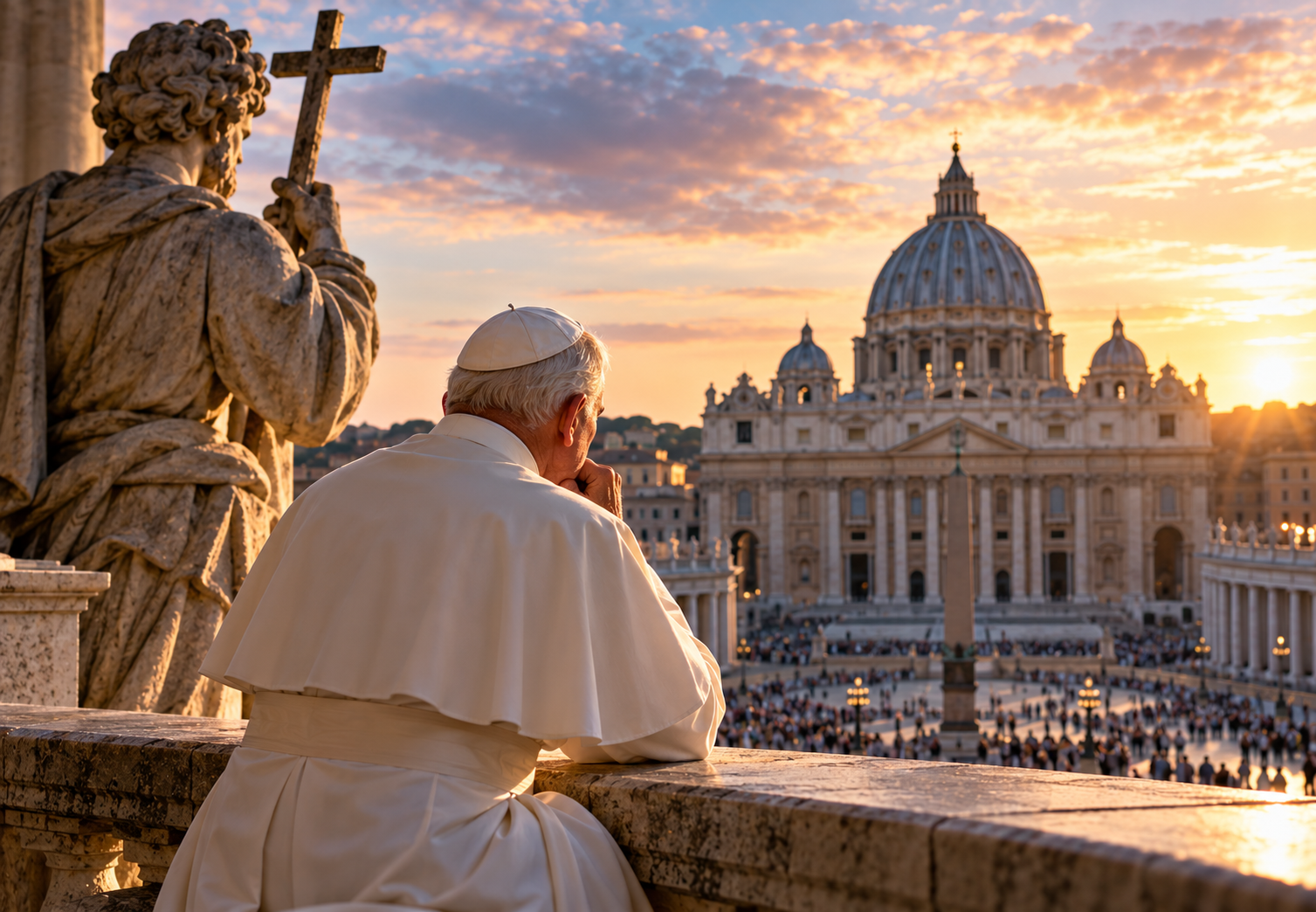

Pope Paul VI introduced the phrase “civilization of love” in a 1970 Pentecost address. His attempt to implement Vatican II’s changes must have been successful, because Pope John Paul indicates it was the preferred term for the church’s social doctrines in his day. Subsequent popes used it, as they had to critique controversial issues.
In his Pentecost address, Pope Paul addressed the cry for peace raised during the Cold War arms race. Lamenting the deep divisions in our world, he stressed the unity bestowed by the Holy Spirit. He first referred to the New Testament church that included Jews and Gentiles from many nations. He then spoke of this as the “ultimate destiny” of humanity, which would eventually unite all in a global community. People on all levels of society were challenged to work toward this family of God in which all persons lived as beloved brothers and sisters.
Later, in the 1975 Christmas season, he used the term to critique the idea that sustaining humanity depended on social, economic, and technological progress. He argued progress alone could benefit or harm. Human flourishing requires managing progress with spiritual values that safeguard the dignity of all persons. Speaking of the hopes and fears that meet at Christ’s birth, he expressed his confidence that “the civilization of love will prevail!” He then went on to call for all, especially the young, to do their part in making that happen by carrying the “spark of Christ’s love”.
You have to marvel at the Pope’s wisdom in capturing the spirit of Vatican II and nailing two critical social issues. Highlighting the dignity of every human person in a civilization of love, he opened the way for Christians to dialogue with all persons of good will in a common pursuit of the good life. And he identified dependence on military might and technological progress as problems they should tackle.
Besides the global conflicts that still keep us in a state of constant warfare, we now suffer deep divisions in our own society. As some politicians take advantage of these to seize power for themselves, many of us believe we still need a civilization of love to save us from self-destruction.
In recent months, the challenges of unregulated progress have again gained our attention. Many corporate headers refuse to slow down even when threats from artificial intelligence are reported. A civilization of love would truly help us take time to evaluate the benefits and dangers.
At the same time, many do not appreciate Pope Paul’s contribution. They accuse him of bringing politics into religion which they think should concentrate on getting people into heaven. A civilization of love must also help us find ways to dialogue with these.