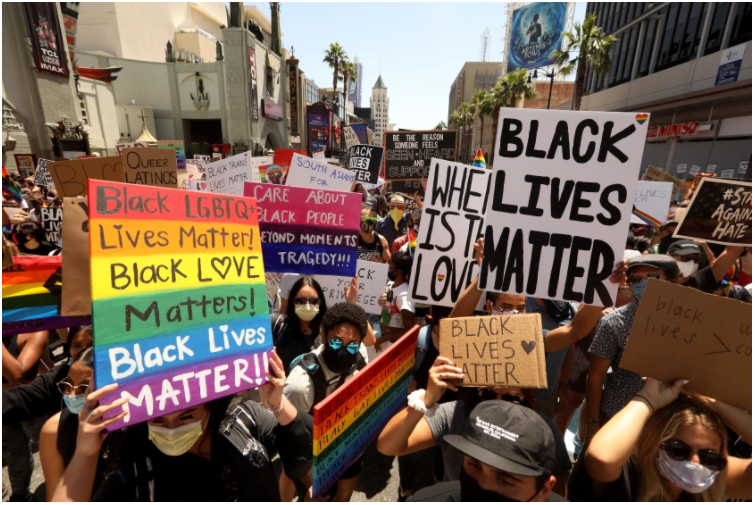
It made sense, even though it shook me up, when James Davison Hunter observed race has replaced abortion as the great divider since he wrote Cultural Wars in 1991. It rings true because the media daily reports efforts to support or oppose racial equality. It is upsetting because Hunter sees a greater threat for violence as the religious struggle has turned into class warfare.
I set off writing an essay about what is going on with racism, finished it, and began another on human sexuality– certainly the third divider in our present cultural standoff. I soon realized I was covering many of the same ideas. In fact, I was so impressed by the similarities I decided to look at them before going on.
One of these is the big difference between the two and the abortion debate. Unlike the unborn, members of the BIPOC and LGBTQ+ communities can speak for themselves. As David Barnhart maintains in an article sent by Rita, it is far easier to “love the unborn and advocate for them without substantially challenging your own wealth, power, or privilege, without reimagining social structures, apologizing, or making reparations to anyone…” Engaging with another race or the LGBTQ+ community opens up the possibility that you might be questioned about your motives and attitudes. Chances are your cultural and religious baggage is going to be exposed. And all sorts of sensitive areas such as your children’s education will be affected.
Still, even though their inclusion is bound to make demands on us, the conversation cannot be complete unless these other communities have a voice. Ideally, this would be heard in face-to-face conversation as technological discourse is more polarized than we as a people are. It fosters anonymity, violent rhetoric, and the absence of accountability.
I was also struck by the potential for self-examination and confession. Both of these issues call for fundamental changes in our lives and that always makes us uncomfortable. Both force us to confront our own inner struggles. Acknowledging these might go a long way in opening up the conversation. Right now, people who oppose our views apparently think we are blaming them as their first words are usually, “I am not racist” or ‘I do not hate gays and lesbians.” Perhaps if we make clear we share blame in these two issues they might be more willing to talk. And certainly, talking honestly with each other can lead to changing our minds.
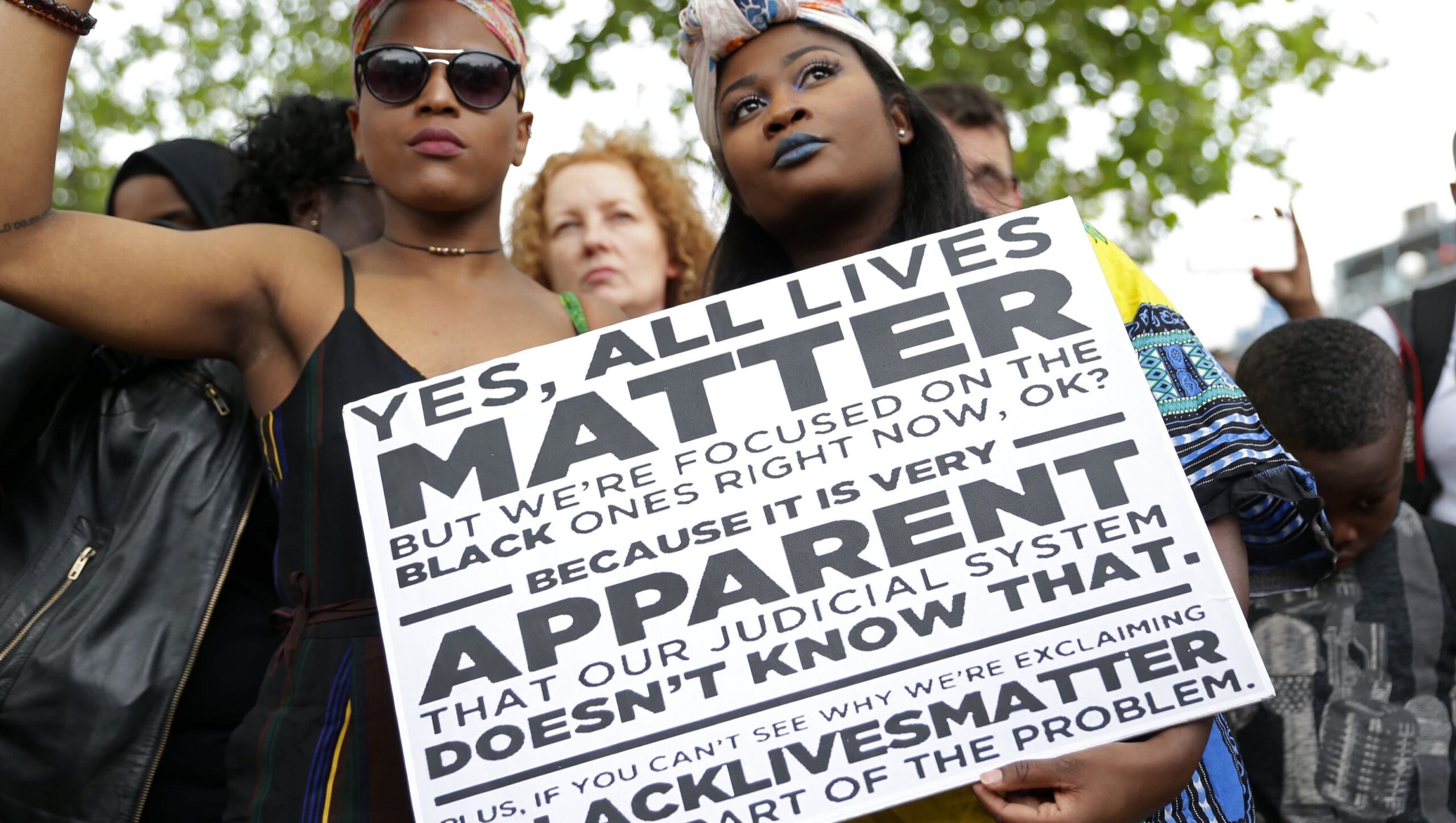
Having said all this, another similarity is that both are favorite targets for Donald Trump. His recent CPAC speech repeatedly exploited the fears that engulf people when these two issues are brought up. He openly attacked Critical Race Theory and Black Lives Matter. He championed the American family and Judeo-Christian values in ways that made clear he was speaking against gay and lesbian rights. Trump obviously has no intention of bringing the two sides together and he certainly is not going to encourage that by revealing his own struggles. His inability or refusal to think of anything for which he is sorry is perhaps his most revealing character flaw.
When I asked my wife why she thought people went to Trump rallies to hear this kind of stuff, she suggested there is a certain delight in speaking cruelly about those you oppose. She then compared the crowd to those who gathered for lynchings. I am not sure why I never thought of that, but now that I have, I wonder if we can expect any kind of decent public conversation on these two issues in the near future.