Understanding Christian love from the perspective of the crucifixion highlights Jesus’ most radical words. Compassion becomes unconditional compassion. Love your neighbor becomes love your enemy.
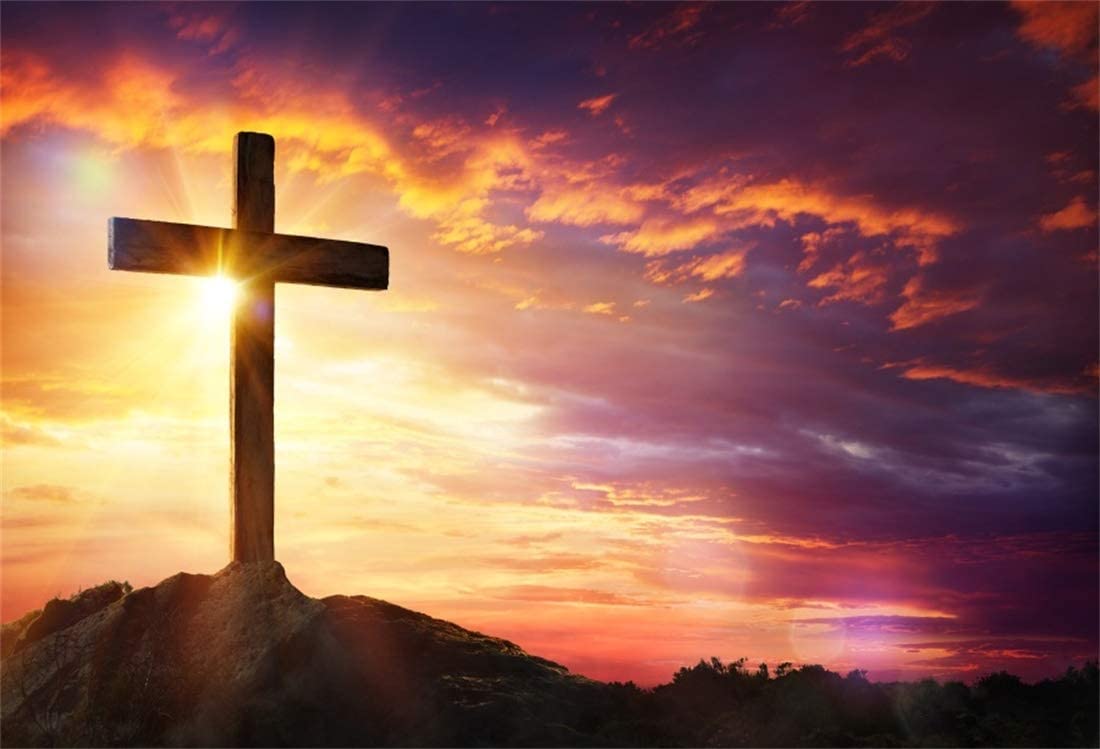
The same goes for forgiveness, the second characteristic. Hearing Jesus pray from the Cross that God would forgive his executioners reminds us that during his ministry he advocated forgiving our offenders seventy times seven.
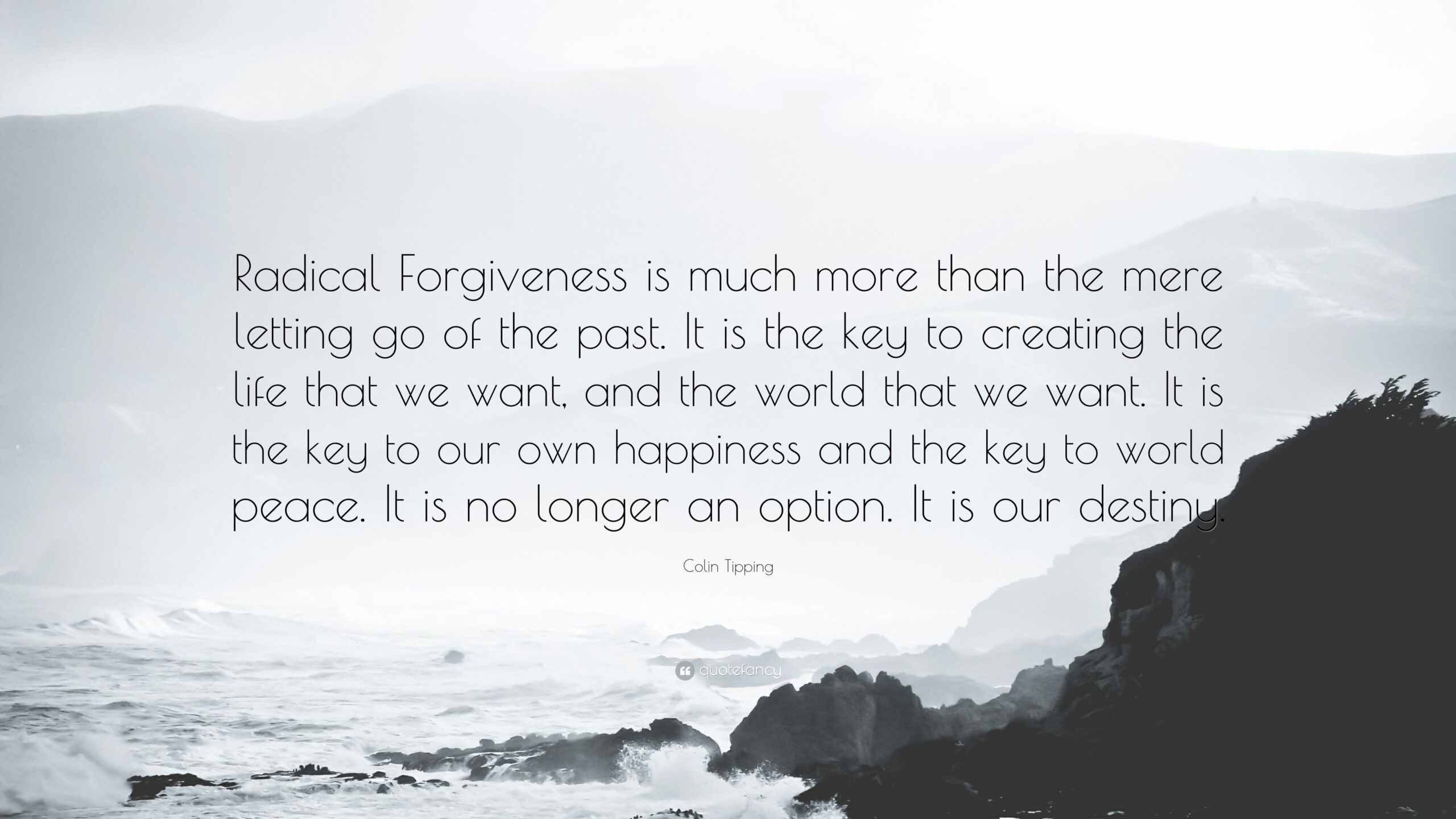
Recognizing this unconditional nature opens up our understanding of forgiveness. It includes but entails more than excusing my wife or colleague for what they said to me this morning. It goes beyond my participating in a ritual in which I confess, am absolved, and start over. Forgiveness is the instrument by which God transforms the creation.
Judaism, Christianity, and Islam are inherently about changing our world. The history of salvation begins with God blessing Abraham’s family so that they in turn can bless the other nations. Every part of these faith bodies receives meaning and purpose in the context of this mission.
This is very apparent in Jesus’ ministry. He begins calling for repentance that essentially is rethinking what you are doing. His followers practice a baptism that promises a new kind of life. He heals the sick and infirmed enhancing their lives. His teaching prepares people for the coming Kingdom of God when God’s will shall be done in contrast to the present civilization.
Forgiveness is a essential characteristic of Christian love in this transformative mission that we share. When we forgive another, we fix a damaged circumstance and open up the possibility of a creative future.
In the Sermon 0n the Mount, Jesus spoke of forgiveness as breaking the cycle of vengeance. Martin Luther King expressed this well when he described Christian love as absorbing the hatred of others in order to change their hearts. He labels this a double victory for it enables our enemies to join us in the beloved community.
So often when we discuss forgiveness, we end up arguing about original sin rather than living according to God’s will. We never get around to what it means to love our wife or our colleague. We never get to the good life that the confession opens up. And we never tackle the changes needed to transform our society as we build the beloved community.