
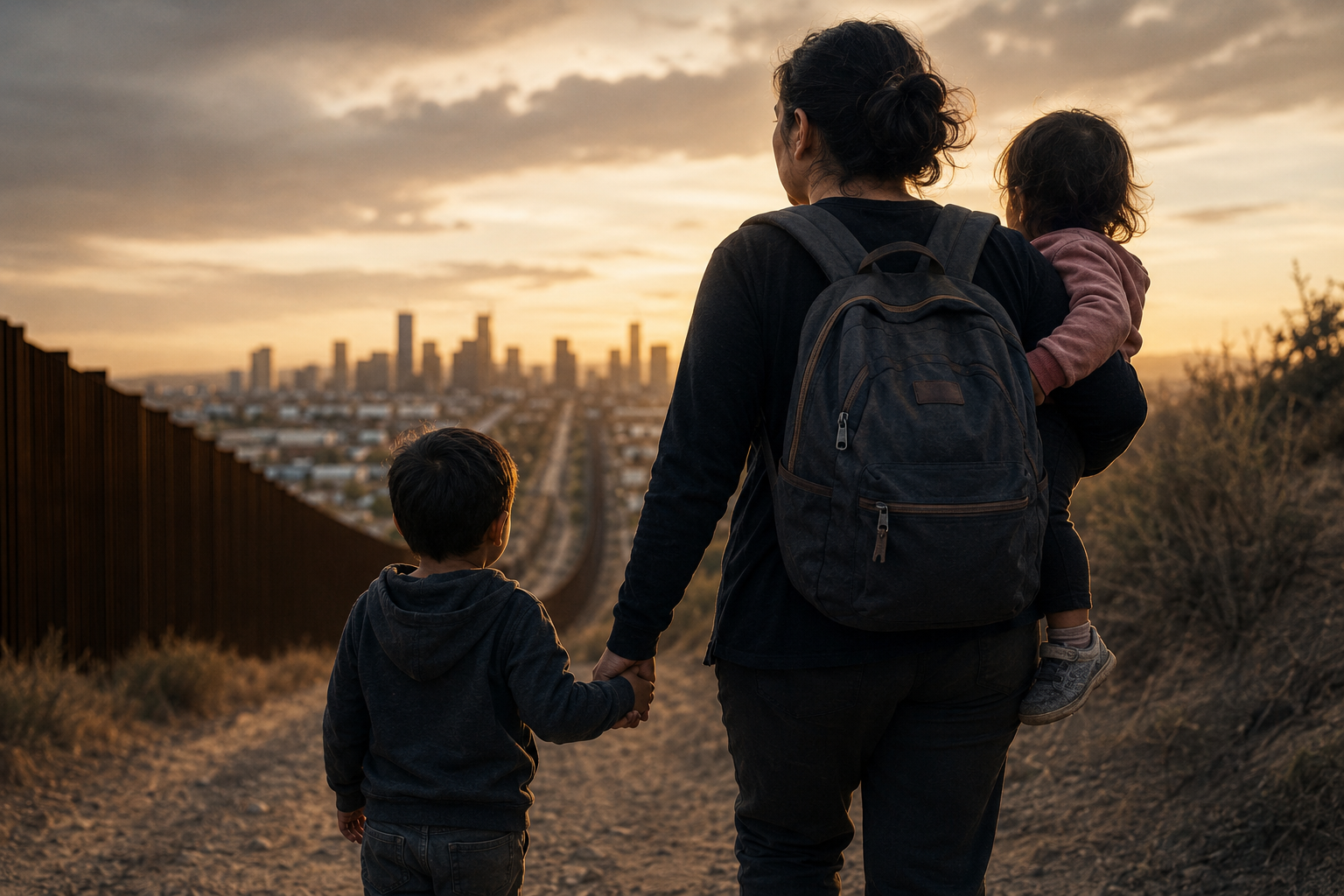
Let me end this series using immigration to illustrate what I’ve found. I chose the topic after a number of you said you would appreciate a theologically informed evaluation of the Trump administration. It seemed that repentance, viewed as rethinking, might do that.
What started out as an examination of current events always developed into a recognition of our checkered past. For instance, once you start exploring our present abuse of immigrants, you soon become aware of the ups and downs in treatment throughout our history. We passed laws that terribly mistreated immigrants, rescinded them, and then passed another batch of bad ones. Trump just takes it to another level of vulgarity and blatant self-serving demonization.
I also found that all the current issues could be found in some layer of our biblical tradition. For instance, the foundation story of the Jewish nation is built on the lack of hospitality when Israel migrated to Egypt during a famine. God delivers his people when the Pharaoh enslaves them. Remembering how they were treated, Jews are to take care of immigrants.
The series also reinforced my belief that we live in a critical period. The perennial problems have become more threatening with the power of modern technology. For instance, we are faced with a tremendous migration of people as global climate change destroys fertile land and autocratic rulers use genocide to perpetuate their power. Immigrants are primarily people trying to escape suffering, and God calls us to care for them.
Rethinking these issues highlighted the Church’s responsibility to speak for God. Her leaders have certainly done well in immigration. The pope and the leaders of most traditional denominations have directly challenged the president. Bishop Budde did this very publicly during the inauguration. Many local congregations have discussed becoming sanctuaries for immigrants with temporary resident status. It is the one political issue most of the traditional church feels comfortable addressing.
Writing the series also raised questions about the nation-state’s ability to handle these issues. Practicing American exceptionalism will not resolve global problems. Besides that, placing America First hardly speaks for the good of all people.