As I tried to decide on the next series, I kept asking myself what we need right now and what Christianity offers us.
I asked with some anxiety, thinking we are in changing and often scary times. All sorts of conspiracy theories are thrown around, accusations that other people are deliberately lying, and outrageous claims such as this being the best “whatever” in all of human history.
Some of our most influential people, such as public school teachers and civil servants, are resigning because their lives are being made miserable, and sadly, many times, the misery is caused by people claiming to speak for Christ.
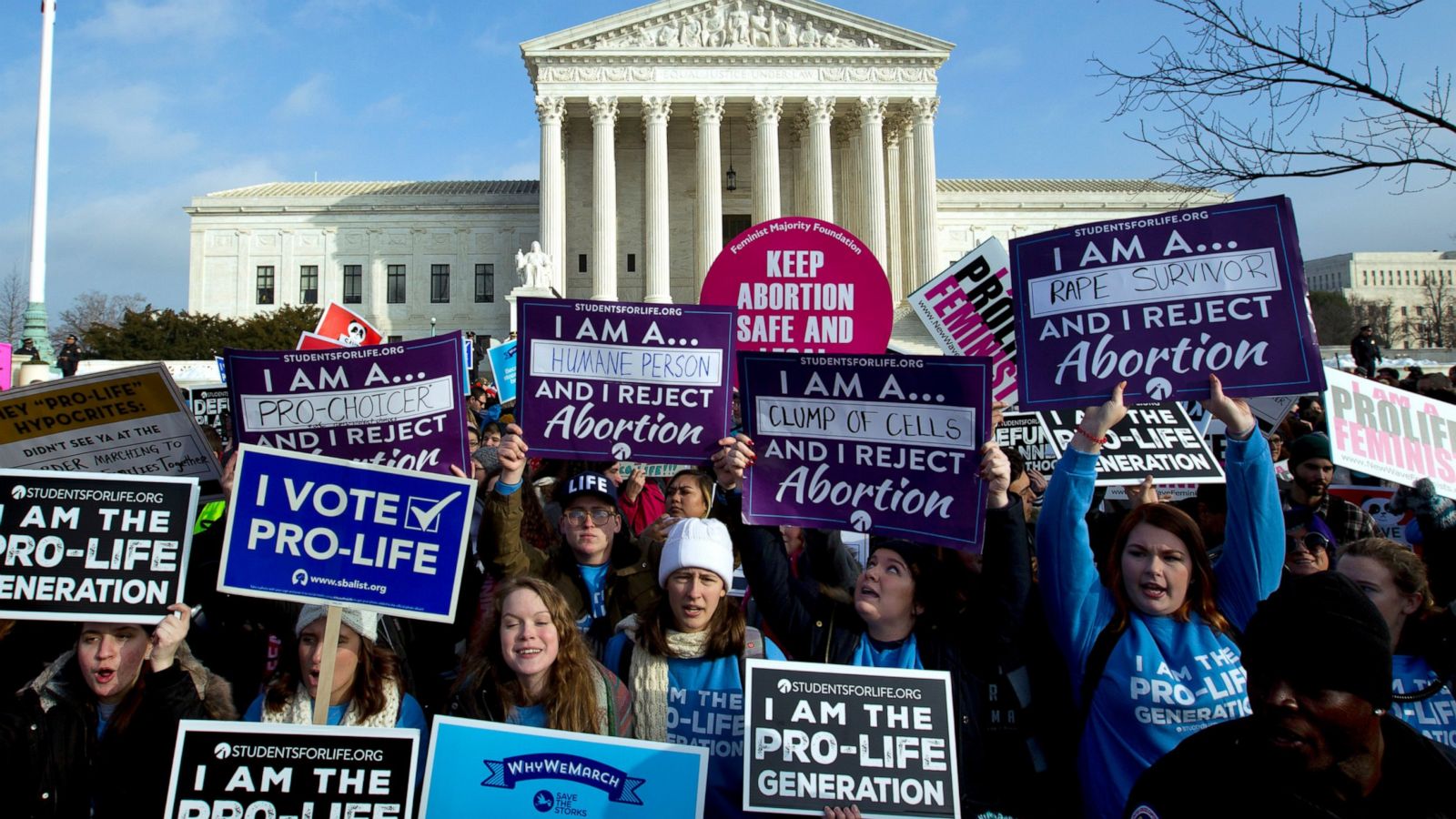
All of this is taking place during a tumultuous campaign for the presidency of the United States, which demonstrates that politics has replaced ethics.
I found myself constantly thinking of studies my son and I did on judgment. Many years ago, he discussed justice as more about judgment than laws. He continually reminded me that technology could produce information but not judgment. All of that was reinforced when I recently examined artificial intelligence. It was evident that AI does not provide judgment.
In the end, I decided an examination of judgment might be a good idea. In light of the cultural battles taking place around school curriculums, many of my friends have been contending that our schools’ primary task should be teaching students how to reason. However, reason has been increasingly defined as getting what you want and thinking in a way that is not self-defeating.
Perhaps judgment better defines what we should be teaching. Its fundamental meaning focuses on comprehending a situation appropriately. Judgment is discernment. It perceives the proper decision or action relative to the circumstances.
It also has a valuable secondary meaning in evaluating decisions and actions. Discernment takes responsibility. It accepts accountability for what we say and do.
Evangelicals have pretty much corrupted this second meaning when they make judgment a threat that acquits or condemns. They focus on an ultimate judgment that takes place after death. Christians must rediscover what the Bible really says.
In the next few weeks, I’ll post some essays that try to do this. I hope to then examine the need for judgment and how we might teach or promote it.